Culture & Entertainment · India Bureau
India to see sharp drop in primary school-age population by 2036
India's population of children aged 5-9 years is projected to decline by approximately one-fifth over the next 12 years, falling from 125.3 million in 2011 to 100.2 million by 2036. The shift reflects broader demographic changes driven by declining fertility rates and evolving educational patterns across the country.
LSN India ·
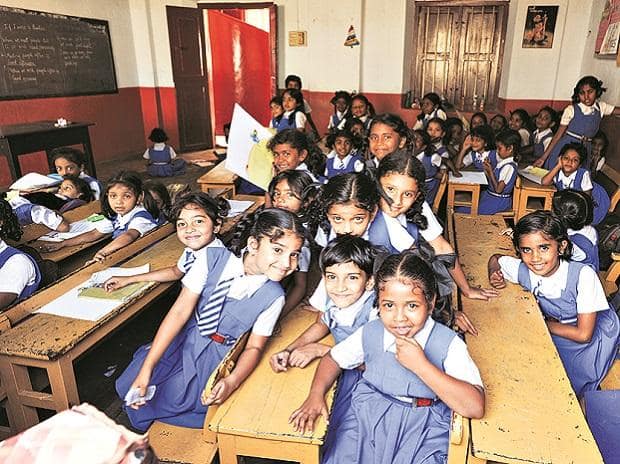
India faces a significant demographic transition that will reshape its education sector and social infrastructure, according to new projections. The expected contraction in the primary school-age cohort—a decline of roughly 20 percent—represents one of the most substantial shifts in the country's young population since independence.
Demographers attribute the declining numbers to multiple converging factors. Lower fertility rates across Indian states, coupled with increased urbanization and changing family planning preferences, have slowed population growth in younger age groups. Educational reforms and shifting demand patterns for primary schooling have also influenced demographic trends, as families reassess their educational investments and household size preferences.
The projected reduction carries significant implications for India's education policy and resource allocation. State governments and educational planners will need to recalibrate infrastructure spending, teacher recruitment strategies, and school construction plans to align with diminishing enrollment figures. Regions that have historically experienced rapid population growth in school-age children may face underutilized facilities and workforce adjustment challenges.
While the overall decline presents administrative hurdles, experts note it could improve student-teacher ratios and allow for enhanced focus on educational quality in primary schools. The transition also raises questions about how India will manage educational infrastructure built for larger cohorts and how states will optimize resource deployment across coming decades.