Politics · India Bureau
India to unveil critical minerals stockpile policy within month
The government is finalizing guidelines for managing strategic mineral reserves, with clear protocols for distribution and access criteria. The move aims to strengthen India's self-reliance in critical minerals and reduce vulnerability to import disruptions.
LSN India ·
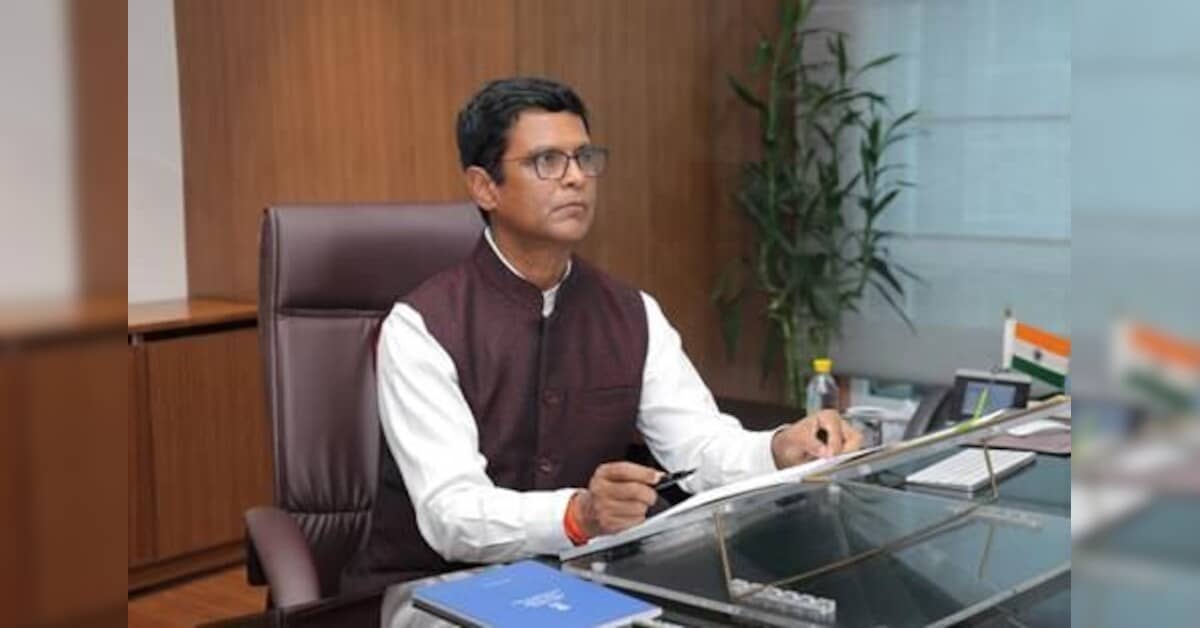
India's Ministry of Mines is on track to announce a comprehensive policy governing its critical minerals stockpile within the next month, according to senior officials. The framework will establish clear mechanisms for releasing reserves, including specifications on quantities and criteria for eligible recipients, marking a significant step in the country's broader strategy to insulate itself from external supply chain vulnerabilities.
Critical minerals form the backbone of modern manufacturing, from electronics and renewable energy systems to defence and aerospace applications. By establishing structured stockpile protocols, India aims to ensure steady domestic availability of these essential materials while reducing dependence on imports, which currently account for a substantial portion of the country's consumption.
The policy's release mechanisms are expected to balance strategic reserves with operational demands, allowing the government to maintain adequate buffer stocks while supporting industrial growth. Officials have indicated that the framework will delineate specific categories of users who can access reserves during supply constraints or emergencies.
This initiative aligns with India's wider efforts to develop domestic capacity in critical mineral extraction, processing, and refining. The move reflects growing global competition for rare earth elements and other strategic materials, with several nations implementing similar reserve systems to safeguard economic and security interests.
The announcement of the stockpile policy is expected to provide clarity to domestic industries dependent on critical minerals, offering greater predictability in supply availability and potentially encouraging long-term investment in related sectors.