World · India Bureau
India urges UN Security Council to protect vital maritime trade routes
India's UN envoy has called for coordinated international action to safeguard critical sea lanes, warning that armed conflicts generate humanitarian consequences extending far beyond their immediate theaters. The nation emphasized the need for collective security measures to address food insecurity and broader ripple effects of regional hostilities.
LSN India ·
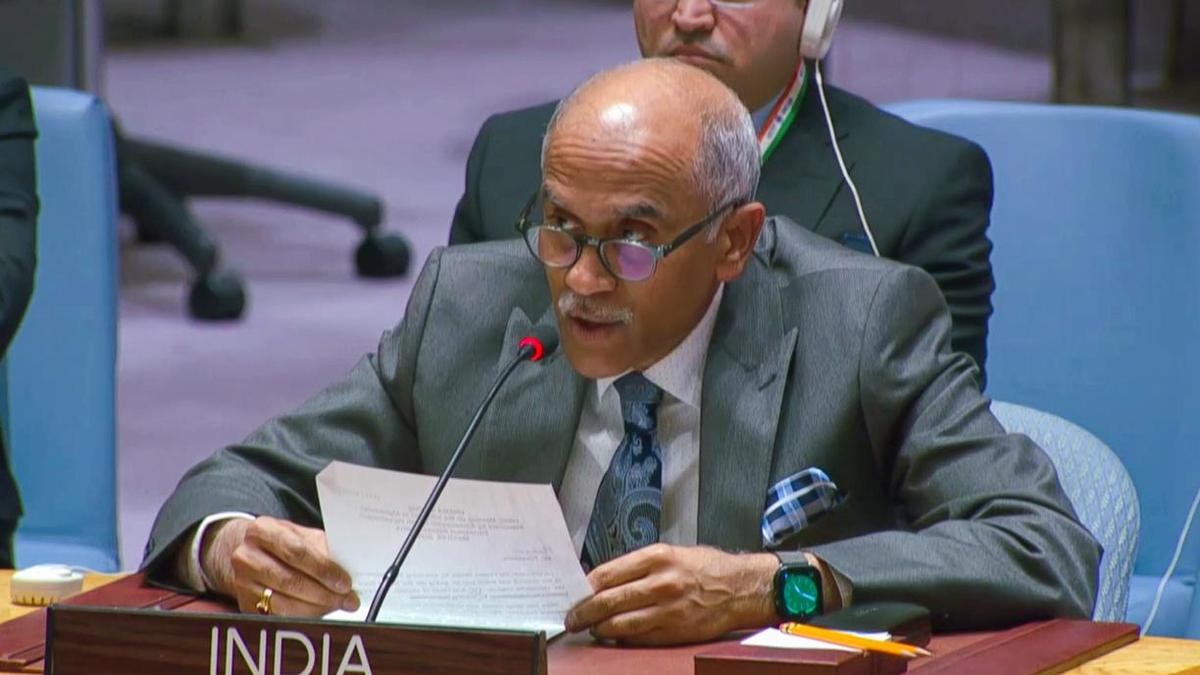
India's Permanent Representative to the United Nations has pressed the Security Council to adopt a coordinated approach toward protecting strategically vital sea lanes that underpin global commerce and regional stability. The appeal underscores New Delhi's concern that disruptions to maritime trade routes pose significant risks to countries dependent on unimpeded shipping corridors for essential supplies.
Addressing the council, the Indian envoy highlighted the severe humanitarian toll of contemporary armed conflicts, noting that regional instability generates consequences that radiate across borders and economic systems. Food insecurity has emerged as one of the most acute humanitarian challenges stemming from such conflicts, demanding urgent international attention and collaborative solutions.
The statement reflects India's growing emphasis on maritime security within its strategic doctrine, particularly given the country's reliance on seaborne commerce for energy resources, food imports, and manufactured goods. New Delhi has consistently advocated for a rules-based international order that guarantees safe passage through critical chokepoints and trade corridors.
India's intervention at the Security Council comes amid broader geopolitical tensions affecting global supply chains and regional security architectures. The nation has positioned itself as a voice for developing economies vulnerable to disruptions in maritime trade, calling for enhanced international mechanisms to prevent conflicts from destabilizing global commerce and food systems.