Business · India Bureau
India watches U.S. midterms as power dynamics shift globally
New Delhi is closely monitoring the U.S. midterm elections for implications on trade relations, Washington's Pakistan policy, and potential Iran tensions that could reshape regional geopolitics.
LSN India ·
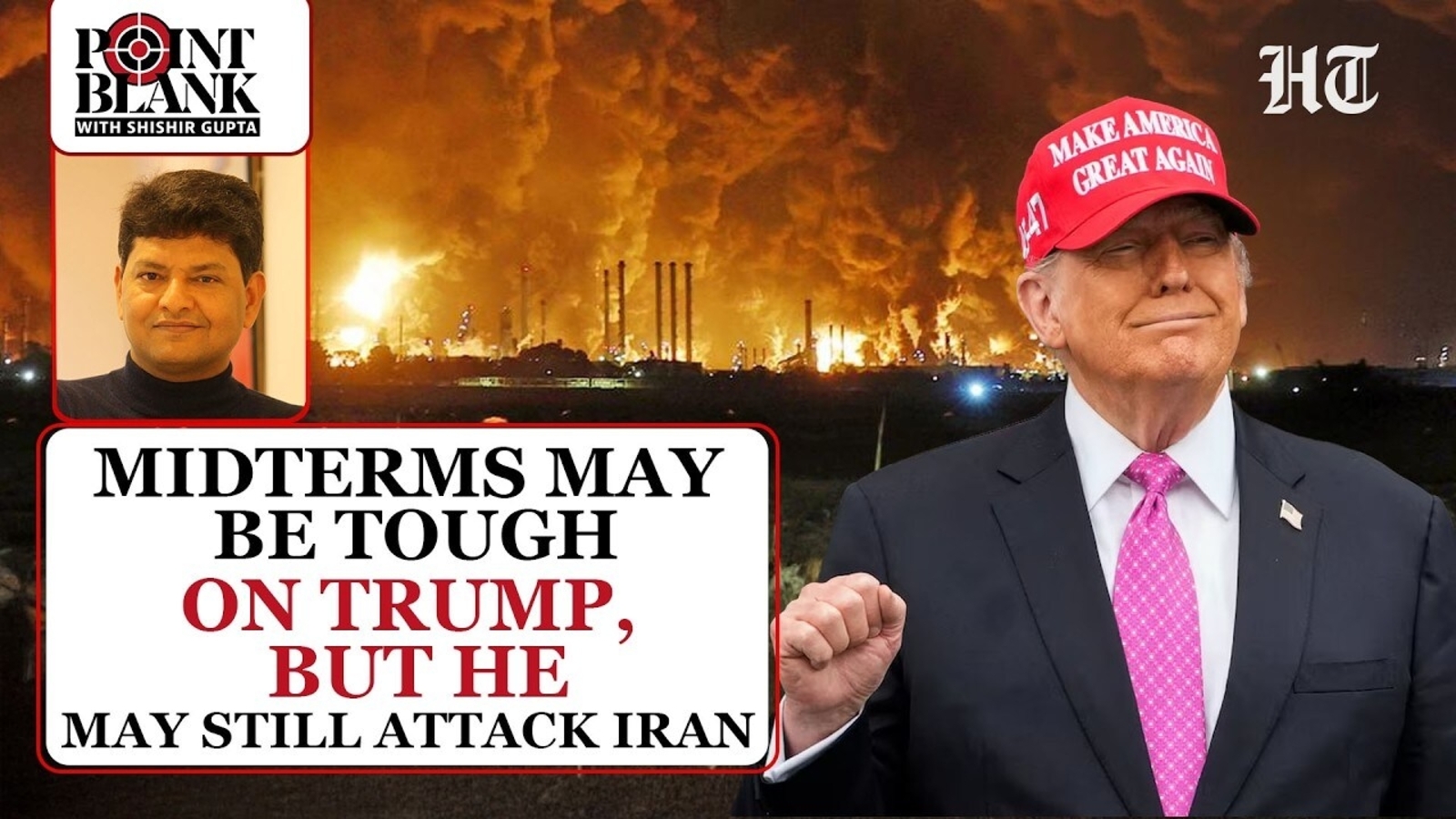
India's strategic establishment is tracking the outcome of the U.S. midterm elections with keen interest, recognizing that shifts in American political power could significantly alter New Delhi's foreign policy calculations across multiple fronts.
Trade negotiations rank among India's primary concerns. Any changes in U.S. congressional leadership could reshape tariff policies and bilateral trade agreements that affect Indian exporters in sectors ranging from pharmaceuticals to information technology. A shift in Washington's protectionist stance or negotiating priorities could create both opportunities and challenges for India's economic engagement with the United States.
Equally significant is Washington's approach toward Pakistan. Changes in U.S. political leadership frequently trigger reassessments of military aid, counterterrorism coordination, and diplomatic engagement with Islamabad—factors that directly influence India's security environment and regional stability. India has long sought consistent U.S. scrutiny of Pakistan's role in cross-border terrorism and militant financing.
The possibility of renewed tensions with Iran also weighs heavily on Indian policymakers. A shift in U.S. Iran policy could affect energy markets, regional security dynamics, and India's own strategic autonomy in the Middle East. New Delhi's efforts to balance its relationships with Tehran and Washington while securing oil supplies could face new pressures depending on midterm outcomes.
Analysts note that India's traditional strategic partnership with Washington remains firm, but New Delhi prefers predictability in U.S. foreign policy to enable long-term strategic planning and investment decisions.