Business · India Bureau
Indian banks' unhedged FX exposure on overseas deposits pressures rupee
While the Reserve Bank of India's swap facility protects banks from currency risk on deposit principals, lenders must independently manage interest payment exposure, creating potential stress on the rupee.
LSN India ·
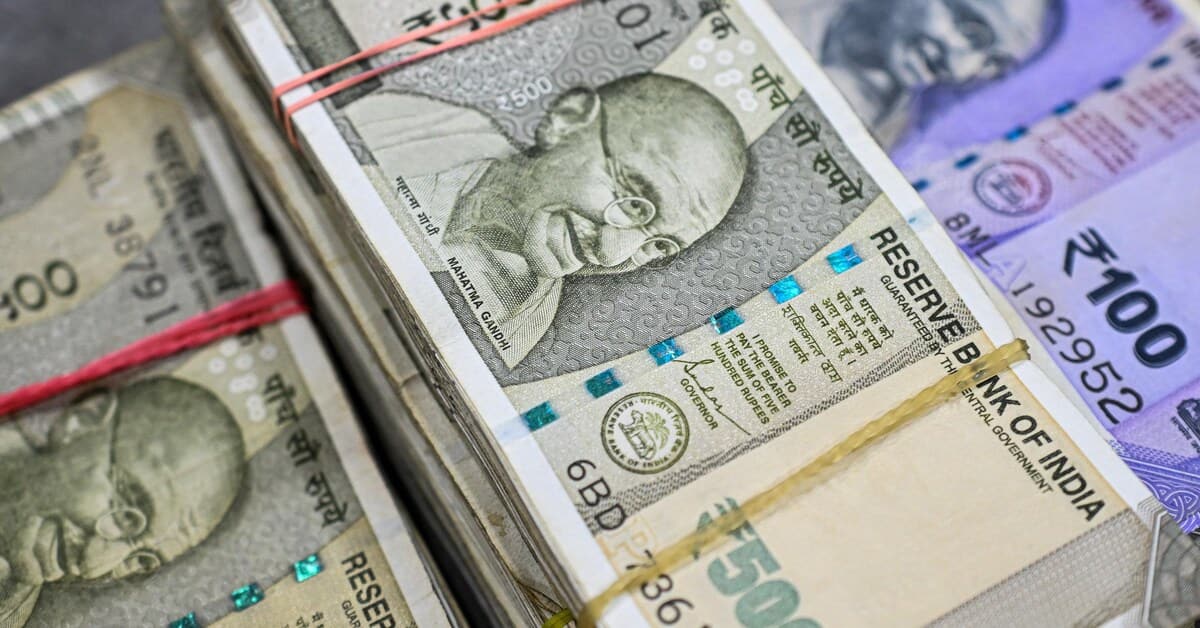
Indian banks are carrying significant foreign exchange risk on overseas deposits despite central bank support measures, raising concerns about potential pressure on the rupee. The RBI's special swap facility shields lenders from currency fluctuations on the principal amounts of deposits held abroad, but leaves interest payments unhedged—a gap that creates ongoing exposure to exchange rate volatility.
The arrangement, while providing critical support for deposit mobilisation, means banks must navigate FX management independently for interest accruals. This creates operational challenges and potential balance sheet impacts for lenders, particularly during periods of rupee weakness or elevated interest rate differentials.
The unhedged interest exposure reflects the broader challenge facing Indian banks as they seek to attract and retain offshore deposits in a competitive global environment. Without full central bank protection across all components of overseas liabilities, lenders face decisions about whether to hedge independently at potentially higher costs or accept the currency risk.
Analysts note the situation underscores the delicate balance the RBI must maintain between supporting deposit mobilisation to strengthen foreign exchange reserves and managing broader currency stability. As banks manage their FX exposures differently, aggregate market behaviour could influence rupee movements, particularly during periods of dollar strength or capital outflows.