Technology · World News Bureau
Indian chip design firms face commercialization challenges despite technical progress
India's semiconductor design startups have made strides in developing cutting-edge technology but struggle to bridge the gap between prototype and profitable production. Industry observers point to manufacturing partnerships and market access as critical obstacles limiting their transition to commercial viability.
LSN World News ·
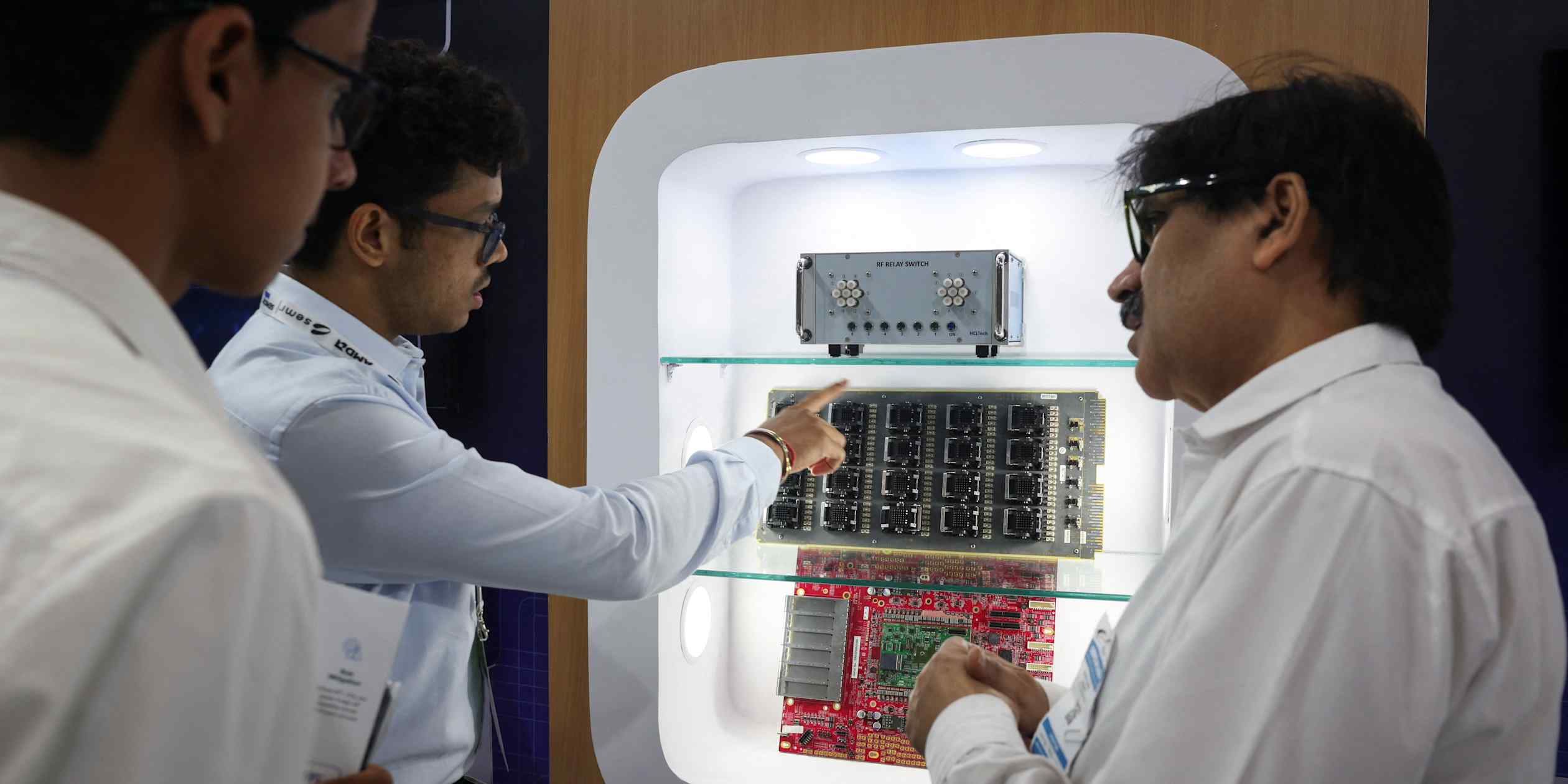
India's emerging chip design sector has produced several technically sophisticated startups capable of competing in specialized segments like artificial intelligence and telecommunications processors. However, these companies face a significant gap between laboratory success and market-ready products, a hurdle that has limited their ability to scale operations and attract sustained investment.
The primary challenge stems from the complex requirements of moving designs into commercial production. Unlike software development, semiconductor manufacturing demands partnerships with foundries, regulatory approvals, and substantial capital investments that many startups lack. Additionally, established competitors from the United States, Taiwan, and South Korea maintain entrenched relationships with manufacturing partners and distribution channels.
Industry stakeholders highlight the need for greater support from India's government and private equity investors to facilitate commercialization. Several proposals have emerged to establish semiconductor manufacturing hubs and provide financing mechanisms specifically designed for design-stage companies transitioning to production.
While India has successfully developed human capital in chip design through its IT services sector, translating this expertise into profitable semiconductor ventures remains elusive. Success in this final commercial phase would position India as a significant player in global semiconductor markets and reduce dependence on imports of critical components.