Business · India Bureau
Indian homeowners face conflicting financial priorities over loan repayment
As interest rate cycles shift, Indian homeowners are grappling with competing financial goals—some prioritizing debt-free retirement while others worry about escalating monthly payments. The tension reflects broader concerns about long-term financial security in an uncertain economic environment.
LSN India ·
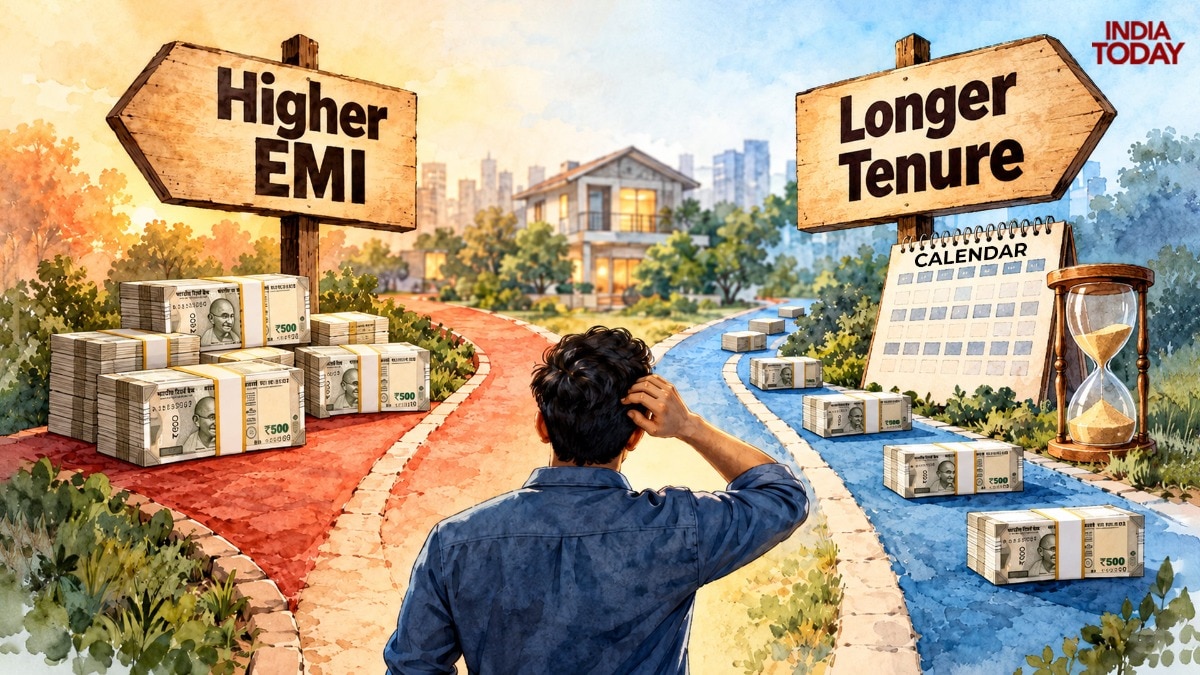
Homeownership remains a cornerstone of financial planning for Indian households, yet borrowers increasingly find themselves navigating conflicting priorities when managing housing loans. While some households focus on clearing debt before retirement to minimize financial obligations in their senior years, others are preoccupied with managing elevated equated monthly installments (EMIs) amid volatile interest rate movements.
The divergence in priorities underscores a fundamental challenge facing middle-class and aspirational Indian families. Those pursuing early debt repayment often allocate surplus income toward principal payments, accepting higher short-term financial strain to achieve long-term security. Conversely, borrowers already stretched by EMI commitments fear that further rate increases could render monthly payments unmanageable, forcing them to extend loan tenures and pay substantially more in total interest.
Financial advisors note that borrowers must balance competing considerations, including inflation, investment returns, and personal risk tolerance. The choice between accelerated repayment and maintaining payment flexibility depends on individual circumstances, including income stability, existing savings, and alternative investment opportunities.
This dilemma reflects the broader financial pressures facing Indian households navigating rising living costs and uncertain employment prospects. As homeowners continue managing their largest financial commitments, the tension between retirement security and current cash flow management is likely to persist, particularly in periods of monetary policy uncertainty.