Technology · India Bureau
Indian-origin boy uses AI to detect lithium deposits with 89% accuracy
Ishaan Dokania, a sixth-grader of Indian descent from Oregon, has developed a machine-learning model that identifies potential lithium deposits from satellite imagery with remarkable precision. His groundbreaking project combines geology with artificial intelligence to revolutionize mineral exploration techniques.
LSN India ·
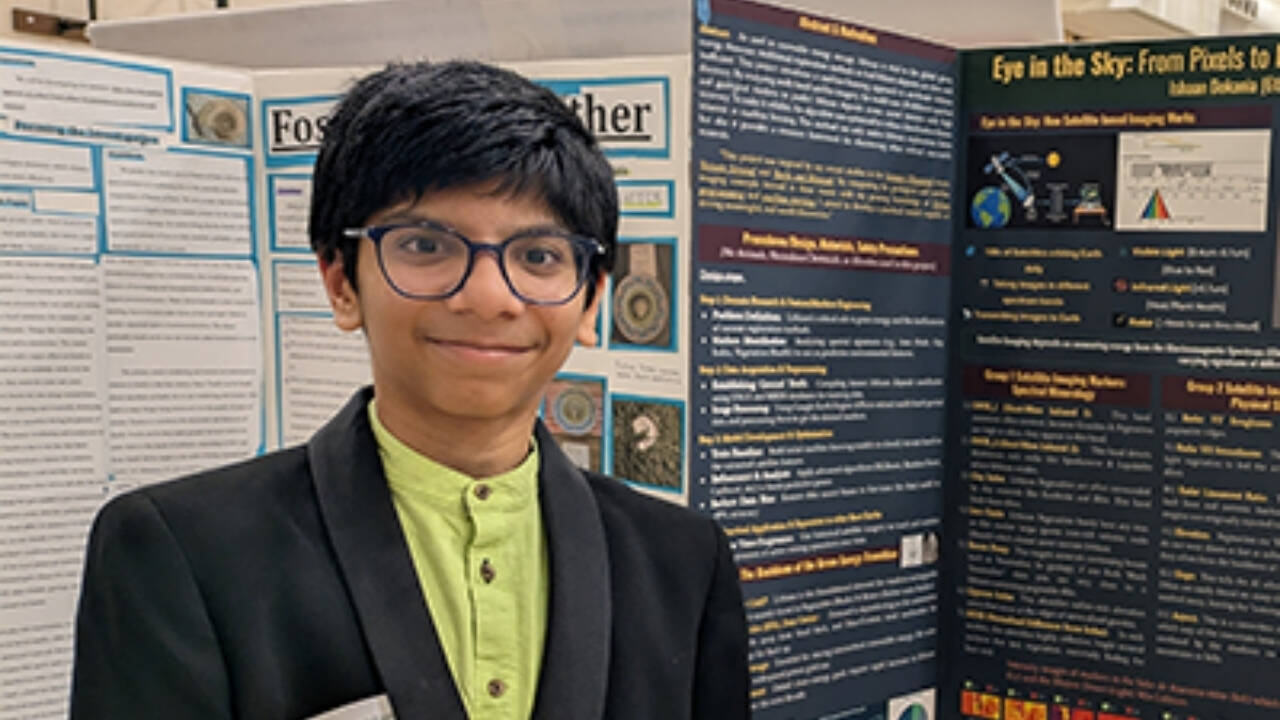
Ishaan Dokania's innovative approach to mineral prospecting demonstrates how young technologists are applying artificial intelligence to solve real-world resource challenges. The Oregon-based student has developed a machine-learning model capable of identifying lithium deposits from satellite imagery, achieving an 89% accuracy rate after rigorous testing and refinement.
Lithium, a critical mineral for battery production and renewable energy storage, is increasingly vital for global technology and sustainability goals. Traditional lithium exploration relies on costly field surveys and geological expertise. Dokania's project streamlines this process by leveraging satellite data and algorithmic analysis, potentially reducing exploration time and expenses.
The young innovator addressed significant technical challenges during development, including managing data noise and testing multiple computational algorithms to optimise performance. His work combines remote sensing technology with machine-learning protocols to create a scalable solution for mineral identification across different geographic regions.
Dokania's achievement has earned him recognition as a finalist in the 2026 Thermo Fisher Scientific Junior Innovators Challenge, a prestigious competition highlighting emerging talent in scientific research and innovation. His project underscores the growing potential of artificial intelligence applications in environmental science, resource management, and technology-driven exploration across Asia and globally.