Politics · India Bureau
Indian Railways freight traffic accelerates on new corridors, policy reforms
India's dedicated freight corridor network is now fully operational, enabling Indian Railways to expand cargo movements across coal, iron ore and other commodities. Policy changes are supporting broader adoption of rail freight services.
LSN India ·
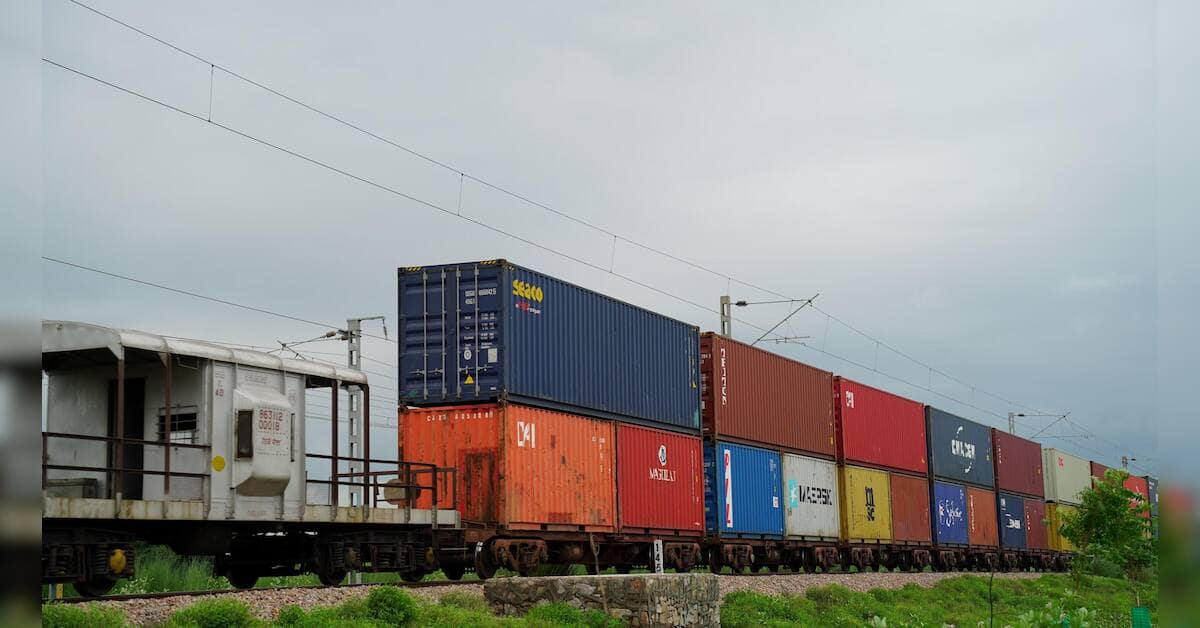
India's freight rail network has reached a significant milestone with the completion of its 2,843-kilometre dedicated freight corridor (DFC) infrastructure, positioning the country to capture a larger share of cargo transport from road and other modes.
The fully operational DFC network is already delivering results, with Indian Railways reporting accelerated loading growth across traditional commodities like coal and iron ore, as well as emerging cargo segments. The dedicated corridors, designed to operate independently from passenger traffic, are enabling faster transit times and more reliable scheduling that shippers have long demanded.
Government policy reforms are complementing the infrastructure expansion. Tariff adjustments and other regulatory changes are making rail freight more competitive relative to road transport, encouraging logistics operators and manufacturers to shift cargo volumes to the rail network. These initiatives address long-standing inefficiencies that limited rail's appeal to private industry.
The momentum in freight loading reflects broader efforts to reduce road congestion and emissions while boosting the utilisation of India's capital-intensive rail infrastructure. Industry observers expect the trend to gather further pace as shippers become more familiar with DFC capabilities and additional policy incentives take effect.
Railways officials have indicated that continued capacity expansion and service improvements remain priorities as demand for freight services grows across India's manufacturing and resource-extraction sectors.