Politics · India Bureau
Indian Railways lacks clear alcohol testing protocol for train operators
More than a year after a deadly collision in Chhattisgarh, the Railway Board has yet to establish guidelines on acceptable alcohol levels for loco pilots, despite current zero-tolerance policy. The issue came to light following a crash that killed 12 people, in which crew members tested positive for alcohol.
LSN India ·
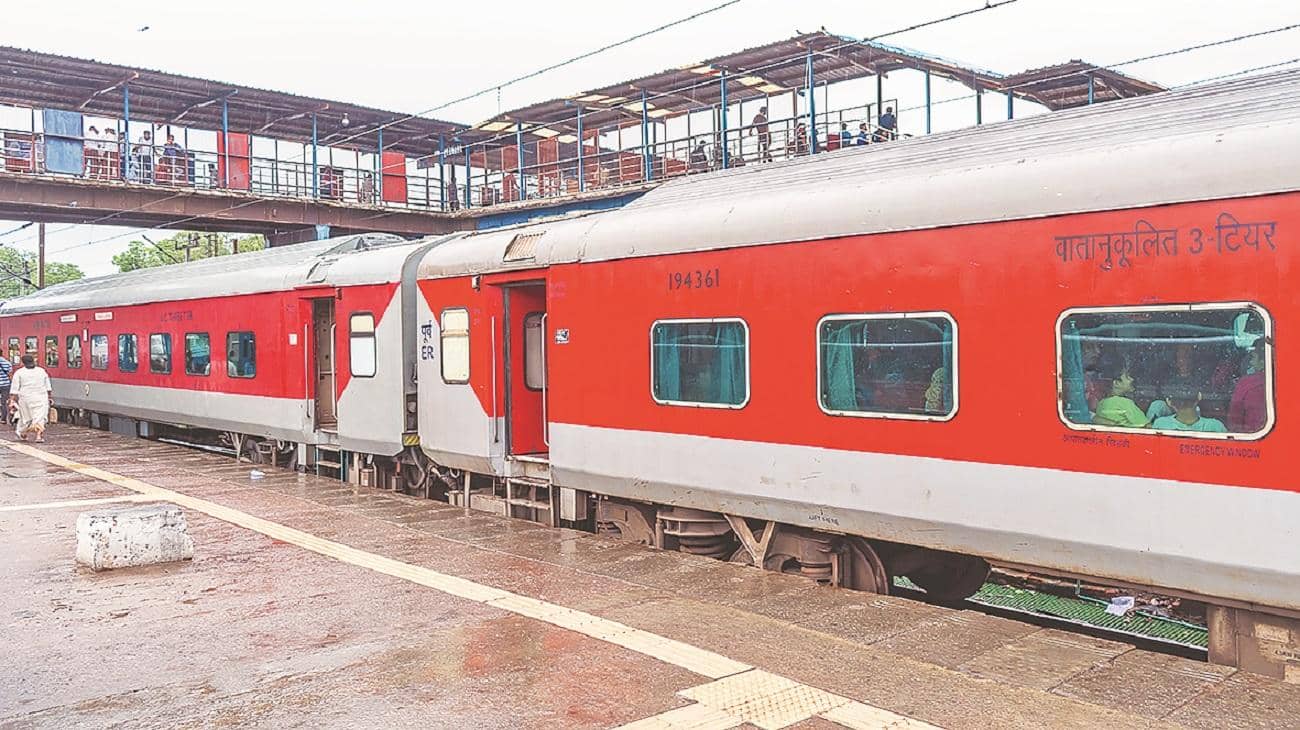
The Railway Board remains indecisive on whether train operators should be permitted to operate if trace amounts of alcohol are detected in their bloodstream, a senior official acknowledged while speaking to news agencies. The current policy mandates zero alcohol presence among operating crew, but the board has not clarified what constitutes permissible limits or fitness to operate under the existing regulations.
The question gained critical attention following a Commissioner of Railway Safety investigation into the November 2025 Gevra-Bilaspur MEMU collision near Bilaspur in Chhattisgarh. The inquiry revealed that blood tests of the running crew from both trains involved in the accident showed alcohol concentrations ranging from 3 to 10 milligrams per 100 millilitres of blood. The passenger train had overshot a red signal before ramming into a stationary goods train, killing 12 people including the passenger train's loco pilot and injuring around 20 others.
Railway officials have stressed the need for an early decision on the matter to provide clarity to operating personnel and investigators. The CRS investigation also noted that the loco pilot involved had previously failed a mandatory aptitude test, compounding concerns about operational standards and safety protocols.
The absence of standardized guidelines on alcohol tolerance levels has raised questions about enforcement consistency across Indian Railways' vast network. Officials maintain that establishing clear benchmarks is essential for ensuring uniform application of safety norms and protecting both crew members and passengers.