World · India Bureau
Indian Railways' massive electrification push faces diesel dependency challenge
Despite achieving 99.6% electrification of its network, Indian Railways continues to rely heavily on diesel locomotives for operations. Technical and logistical constraints prevent a complete transition away from fossil fuels despite the railway system's substantial infrastructure investments.
LSN India ·
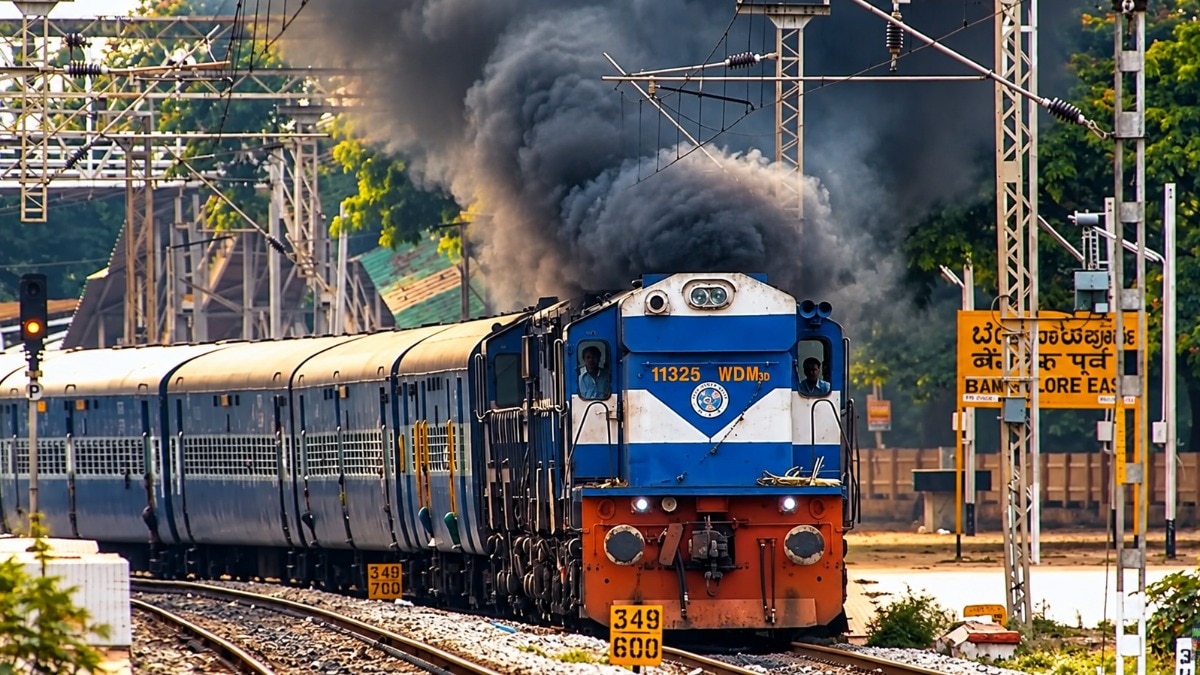
Indian Railways has made significant strides in its electrification programme, bringing nearly the entire network under electric operations. However, the railway system continues to operate a substantial fleet of diesel locomotives, revealing the complexities of transitioning away from fossil fuel dependency despite decades of modernisation efforts.
The persistence of diesel locomotives stems from multiple operational challenges. Certain branch lines and less-trafficked routes remain economically unviable for electrification due to low freight volumes and passenger demand. Additionally, diesel locomotives provide flexibility in deployment across the network, serving as backup when electric services face maintenance issues or power supply disruptions.
Geographical and infrastructural constraints further complicate full diesel phase-out plans. Hilly terrain, waterlogged regions, and areas with challenging topography present technical difficulties for overhead electric line installations. Maintenance of these electrified sections also requires substantial investment and specialised workforce expertise across India's vast railway network.
The financial implications of complete diesel elimination remain considerable. Retrofitting or replacing the existing diesel fleet would require enormous capital expenditure at a time when Indian Railways prioritises capacity expansion and safety upgrades. Officials acknowledge that a gradual, phased approach to reducing diesel dependency aligns more pragmatically with operational realities and budgetary constraints.