World · India Bureau
Indian Railways' NT Rule: Your Confirmed Seat May Go to Another Passenger
Under Indian Railways' 'Not Turned Up' (NT) policy, passengers who fail to occupy their assigned seats within a specified time may lose them to eligible waitlisted travellers. Here's what you need to know about the rule and how to protect your booking.
LSN India ·
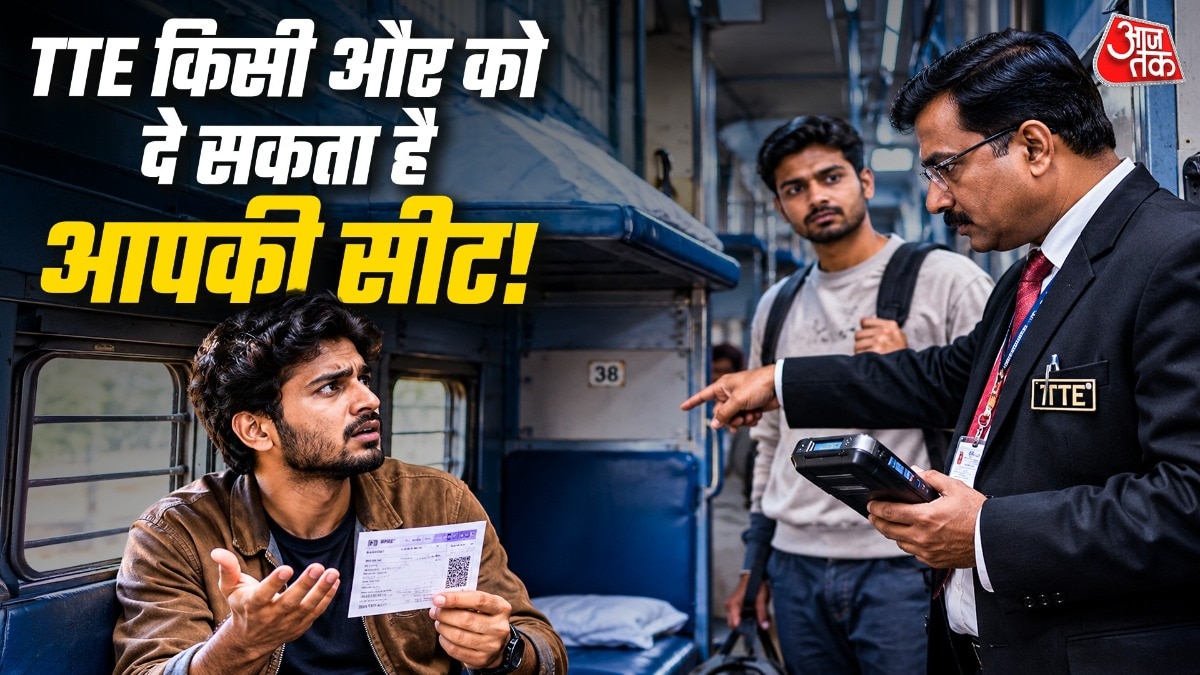
Indian Railways operates a 'Not Turned Up' (NT) protocol that allows Train Ticket Examiners (TTEs) to reassign confirmed seats to other eligible passengers if the original ticket holder fails to board within the designated timeframe. This regulation ensures optimal seat utilization and provides opportunities for waitlisted passengers to secure confirmed berths during their journey.
Under the NT rule, if a passenger does not appear at their assigned seat after a TTE verification, the seat becomes available for reallocation. Waitlisted passengers travelling under the Reservation Against Cancellation (RAC) scheme or those on the general waiting list become eligible for these seats. The railway's Handheld Terminal (HHT) system enables TTEs to identify unoccupied seats in real-time and process reassignments efficiently.
To safeguard your confirmed reservation, passengers should board their train well before departure and locate their seat promptly. Informing the TTE if you are running late, or communicating with railway staff if you miss your train, can help protect your booking. Additionally, passengers are advised to avoid last-minute boarding and to carry their reservation confirmation for immediate verification.
The NT protocol operates as part of Indian Railways' broader seat management system, which balances passenger accommodation with operational efficiency. While the rule provides flexibility in seat allocation, confirmed passengers who arrive at their designated seat within reasonable time limits after departure face no risk of losing their berth. Understanding these guidelines helps ensure a smoother railway travel experience for all commuters.