World · India Bureau
Indian Railways' PRS System: The Tech Behind Seat Reservations
The Passenger Reservation System (PRS) is the backbone of Indian Railways' ticketing operations, managing everything from seat allocations to chart preparations. Understanding how this complex digital platform works can help passengers navigate train bookings more effectively.
LSN India ·
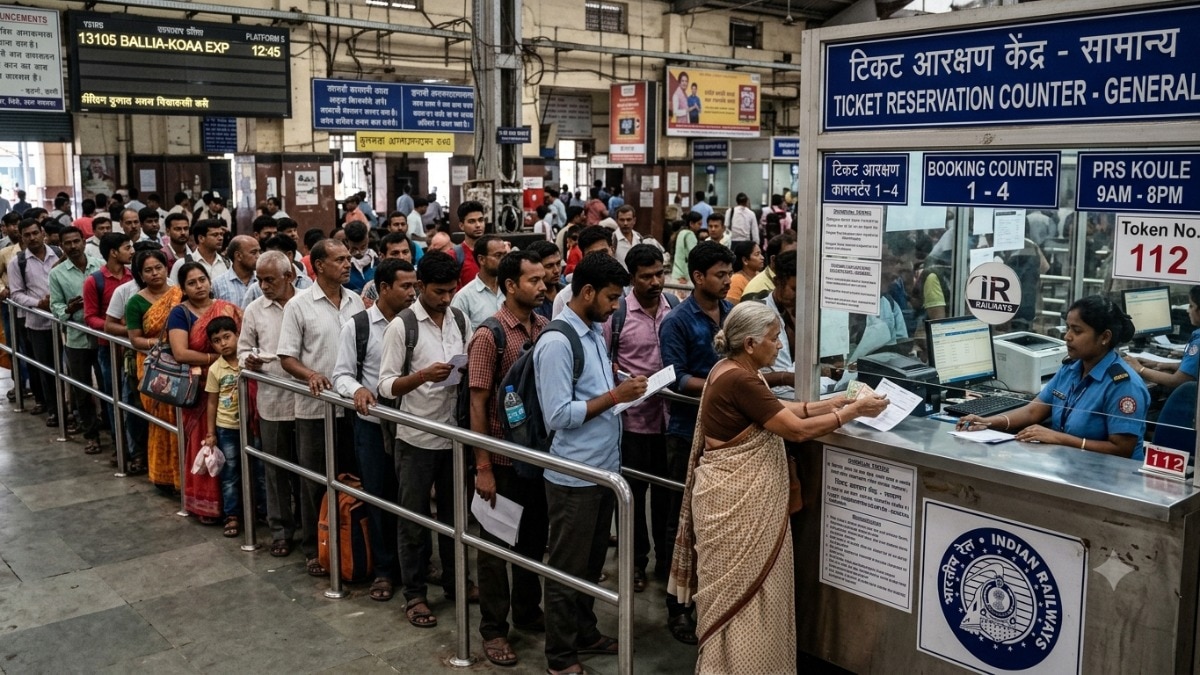
Indian Railways operates one of the world's most sophisticated passenger reservation networks through its Passenger Reservation System, commonly known as PRS. This centralized digital platform handles the vast majority of transactions that occur when passengers book sleeper or air-conditioned coach tickets, whether through railway counters or the IRCTC mobile application.
The PRS serves multiple critical functions in the railway ticketing ecosystem. Beyond basic ticket reservations, the system monitors real-time seat availability across thousands of trains, processes cancellation requests, and manages the complex logistics of chart preparation—the process by which final passenger lists and seat assignments are generated before train departure.
Passengers interact with the PRS through several access points. The IRCTC website and mobile app connect directly to the system, allowing users to check seat availability and complete bookings from their devices. Traditional railway reservation counters across the country also operate on the same PRS infrastructure, ensuring consistency in pricing and availability data regardless of booking method.
The system's complexity stems from the sheer scale of Indian Railways' operations, which transports millions of passengers daily across an extensive network. The PRS must simultaneously manage multiple classes of accommodation, coordinate with various train schedules, and process thousands of concurrent transactions while maintaining data accuracy and system reliability.
For regular train travelers in India, familiarity with how the PRS functions can enhance the booking experience. Understanding the system's role in seat allocation and chart preparation helps explain why certain seats become available at specific times and why booking windows operate under particular constraints.