Culture & Entertainment · World News Bureau
Indian rangoli artisans turn to organic materials amid cost pressures
As expenses mount, traditional Diwali rangoli makers are shifting toward natural and sustainable alternatives to maintain their centuries-old craft during the festival season.
LSN World News ·
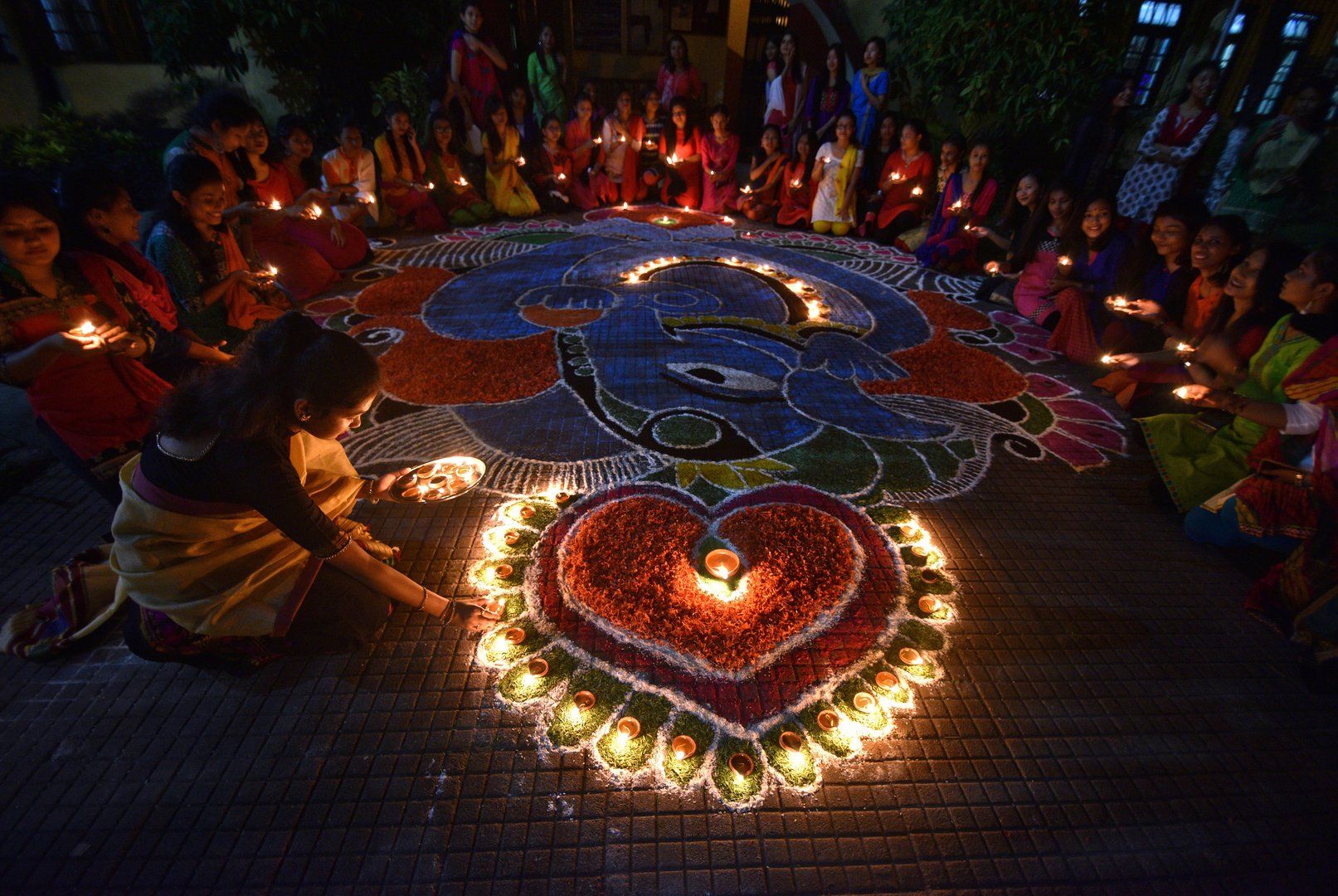
Rangoli artists across India are navigating economic headwinds by adopting organic substitutes for conventional coloring materials, a shift driven by inflation and supply chain disruptions affecting the festival season. The vibrant powdered pigments traditionally used in these intricate floor designs have become increasingly expensive, prompting craftspeople to explore locally sourced natural options.
Artisans are experimenting with materials derived from flowers, spices, herbs, and mineral compounds to create the striking color palettes that define the art form. Turmeric, indigo, activated charcoal, and crushed flower petals now feature prominently in practitioners' toolkits, allowing them to maintain quality while reducing production costs. These alternatives often prove more environmentally sustainable than synthetic dyes while preserving the aesthetic appeal central to Diwali celebrations.
The adaptation reflects broader challenges facing India's informal creative economy as rising material and operational costs squeeze profit margins for artisans. Nevertheless, rangoli makers view the transition as an opportunity to reconnect with traditional methods employed by their predecessors, blending economic necessity with cultural preservation. The shift has also resonated with environmentally conscious consumers seeking eco-friendly festive celebrations.
As Diwali approaches, rangoli makers expect sustained demand for their work despite economic pressures. Industry observers note that the move toward organic materials may establish new standards for the craft, potentially benefiting both artisans and communities seeking sustainable celebration practices.