Business · India Bureau
Indian refiners take control of crude shipments through Hormuz strait
Indian oil refiners are increasingly hiring their own tankers to transport crude oil through the Hormuz Strait, moving away from reliance on Gulf producers and traders. The shift is aimed at reducing the premium costs associated with traditional cost-and-freight arrangements.
LSN India ·
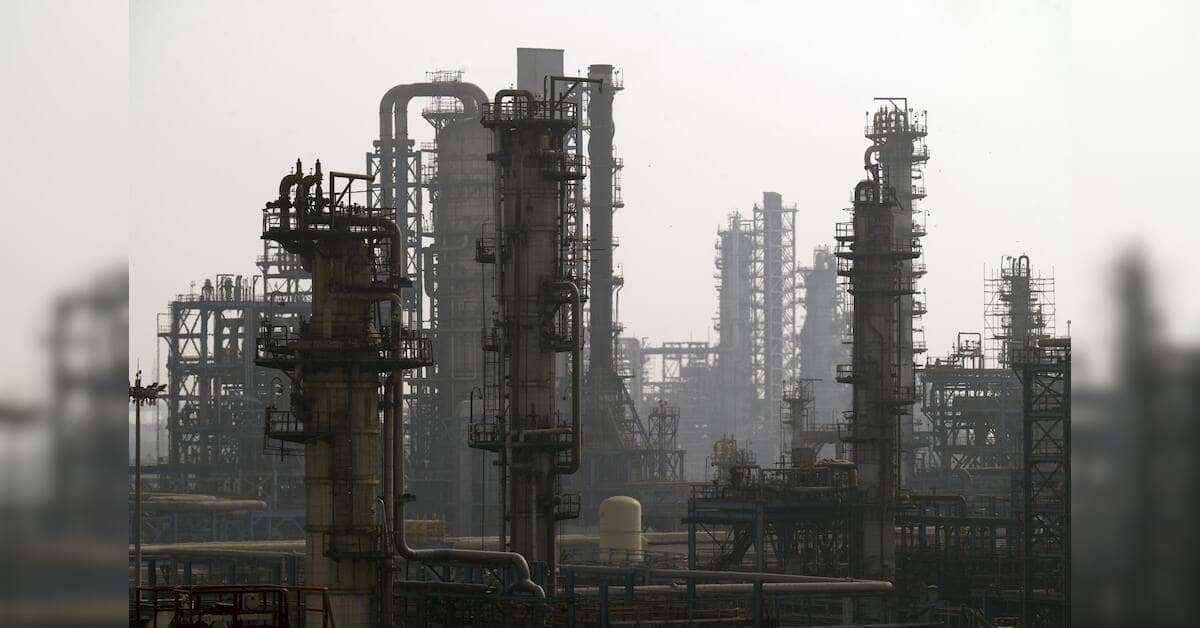
Indian refiners are reshaping their crude oil logistics strategy by directly chartering tankers for shipments through the Hormuz Strait, signalling a move toward greater independence from Gulf-based supply chains. The change reflects efforts to minimise the cost premiums traditionally paid when relying on producers and trading houses for transport arrangements.
Historically, Indian refineries have depended on Gulf suppliers and traders to handle the transportation of crude through the critical Hormuz Strait chokepoint. Under these cost-and-freight arrangements, refiners absorb shipping premiums embedded in the final price, adding to their overall acquisition costs. By taking direct control of vessel hiring, refineries aim to negotiate more favourable freight rates and reduce these embedded premiums.
The strategy represents a broader shift in India's refining sector toward tighter supply-chain management. Direct tanker chartering provides refiners greater visibility and control over transportation costs, which have become increasingly important given volatile global shipping markets. This approach also allows Indian refineries to optimise their logistics operations independently of Gulf intermediaries.
The Hormuz Strait remains the world's most critical oil chokepoint, with roughly one-third of seaborne crude passing through its waters. For Indian refiners, which rely heavily on Middle Eastern crude, controlling their own transportation through this strategic passage offers both cost advantages and operational flexibility in an uncertain geopolitical environment.