Technology · India Bureau
Indian Researchers Uncover OpenAI Flaws Using Rival Claude AI Tool
Three Indian security researchers have received a 600,000 rupee bounty from OpenAI after discovering critical vulnerabilities in the company's systems using Anthropic's Claude AI. The findings highlight growing security challenges in the competitive artificial intelligence sector.
LSN India ·
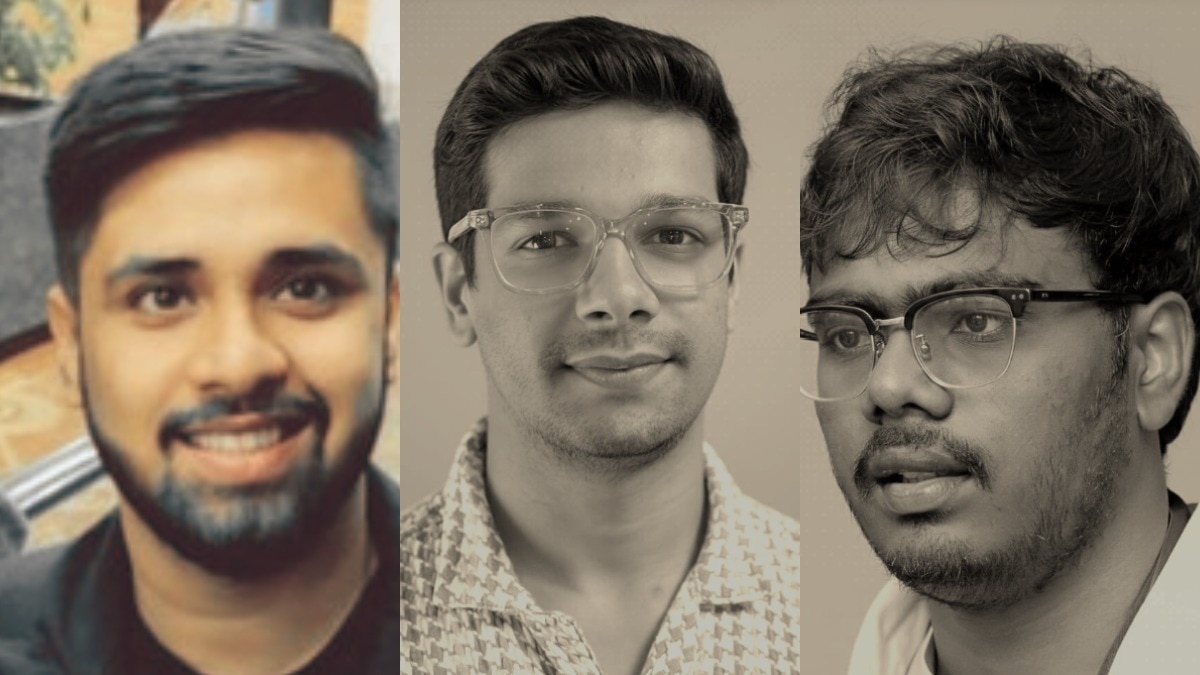
Three Indian cybersecurity researchers have earned a substantial bug bounty from OpenAI by leveraging Anthropic's Claude artificial intelligence platform to identify significant security vulnerabilities in OpenAI's infrastructure. The researchers successfully penetrated OpenAI's systems and documented critical flaws, prompting the San Francisco-based company to award them 600,000 rupees for their responsible disclosure.
The initiative demonstrates how AI tools themselves are increasingly being used to test and strengthen the security posture of competing AI platforms. By deploying Claude, the researchers were able to probe OpenAI's defenses and uncover weaknesses that could potentially have been exploited by malicious actors. The nature of the specific vulnerabilities discovered has not been publicly detailed, as is standard practice in responsible vulnerability disclosure.
The bounty represents a growing trend among major technology companies to incentivize security researchers to identify and report flaws before they can be weaponized. OpenAI's vulnerability disclosure program, like those of its competitors, encourages ethical hackers and security professionals to report security issues through official channels rather than exploiting them.
The incident also underscores the rapid advancement of AI capabilities and the emerging security challenges facing the sector as tools become more sophisticated and capable of conducting complex technical analysis. As artificial intelligence platforms become more integrated into critical systems globally, ensuring their security remains a paramount concern for both developers and users across the region.