Business · India Bureau
Indian Tea Association urges state support for struggling Darjeeling, Dooars sectors
The Indian Tea Association has released policy papers highlighting a severe production crisis in Darjeeling and structural inequalities in Dooars and Terai tea regions. The industry is calling for targeted government intervention to stabilize output and support smallholder growers.
LSN India ·
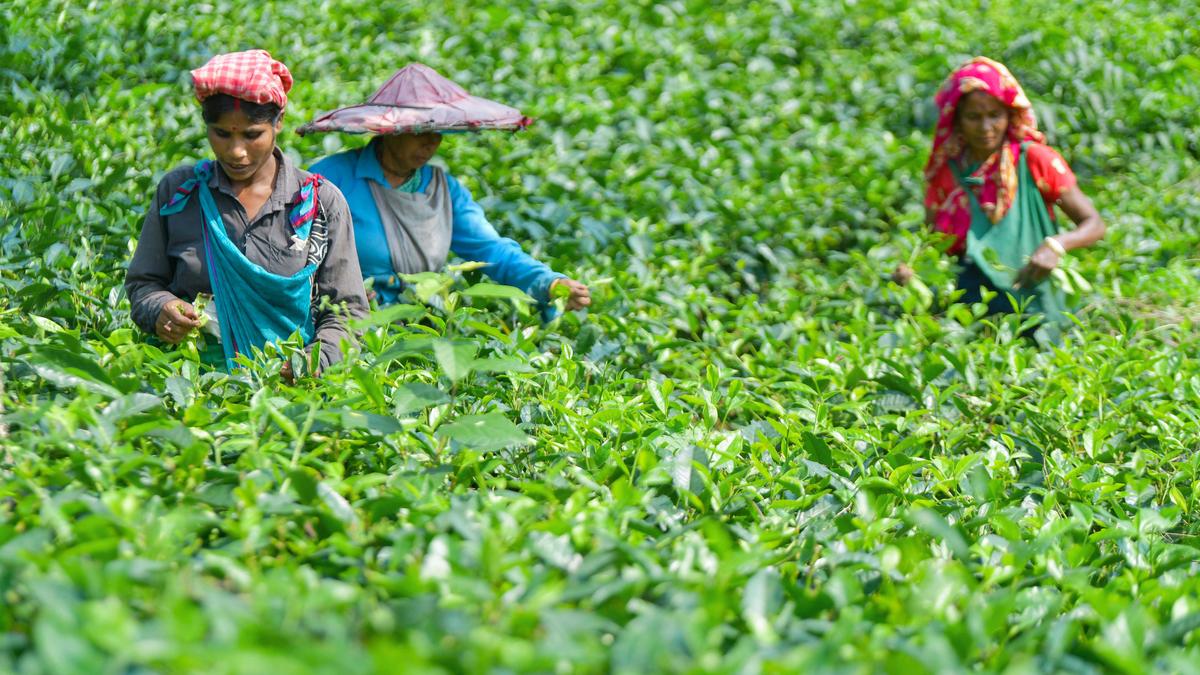
The Indian Tea Association has released two white papers outlining the challenges facing India's premium tea-growing regions in the east, with particular focus on production collapse and market imbalances threatening the sector's viability.
The Darjeeling white paper documents a dramatic contraction in output over three decades. Annual production has plummeted from 14.49 million kilograms in 1990 to an estimated 5.6 million kilograms in 2025, marking a 61 percent decline that industry analysts attribute to labor shortages, declining yields, and climate pressures affecting the high-altitude growing zones.
A parallel study examining the Dooars and Terai tea industries identifies significant market asymmetries as a core problem. The white paper highlights structural disadvantages faced by small-scale tea growers when competing with organized estates, pointing to disparities in market access, pricing power, and production inputs as key obstacles to profitability for marginal producers.
The association's dual documentation represents an attempt to build a case for comprehensive policy intervention. Industry stakeholders are seeking revival packages from state and national governments, including support mechanisms for smallholder integration and measures to stabilize production in Darjeeling, where the geographical indication status commands premium prices but remains underutilized amid operational constraints.
The white papers are expected to inform discussions between tea industry representatives and policymakers as both regions face existential pressures from production decline and market consolidation.