Politics · Singapore Bureau
Indian tribal communities resist massive river-linking infrastructure project
Hundreds of tribal residents in India are protesting a multi-billion dollar government initiative to interconnect the nation's river systems, citing concerns over displacement and environmental damage. The project, estimated at US$87 billion, threatens to submerge homes, agricultural land, and sacred temples in affected regions.
LSN Singapore ·
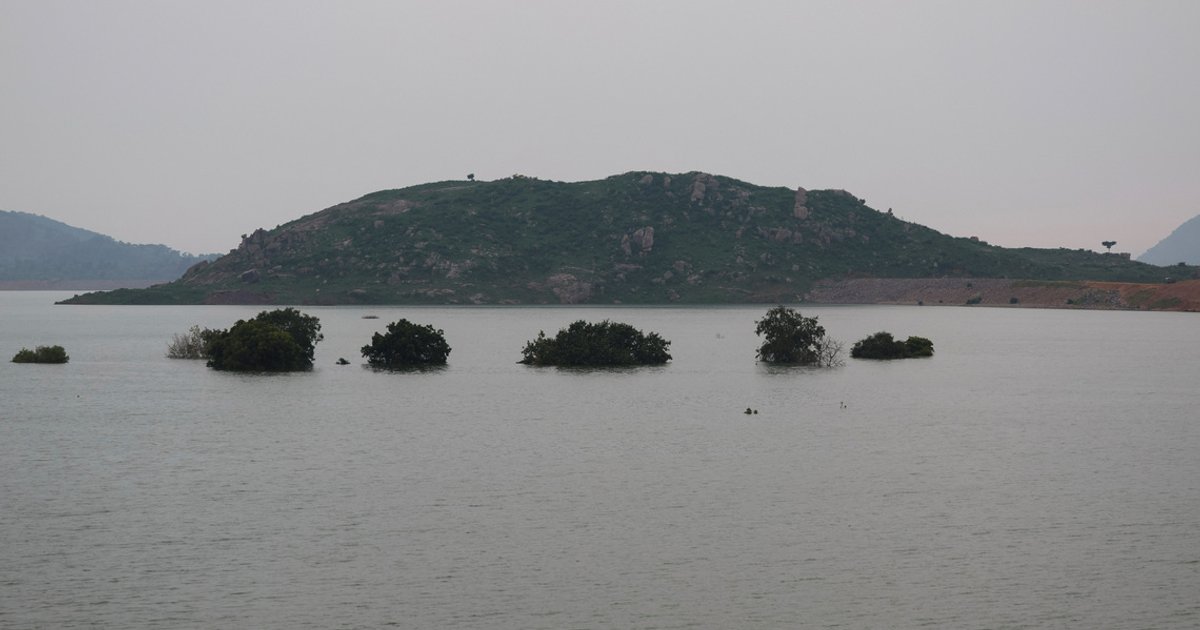
Tribal communities across India have intensified opposition to an ambitious river-linking scheme that officials promote as a solution to water scarcity and drought. The project envisions channeling water from India's surplus river basins to drought-prone areas through a network of canals and reservoirs, but residents in proposed submergence zones say the costs to their livelihoods and cultural heritage are unacceptable.
Protestors argue that the infrastructure development would displace thousands of families from ancestral lands while submerging temples and sacred sites central to tribal identity and spiritual practices. Local leaders contend that government compensation packages fail to account for the loss of forests, water sources, and communal spaces that sustain their traditional way of life.
The river-linking project, one of India's most ambitious water management initiatives, has faced intermittent resistance since its conception. Environmental groups and indigenous rights advocates have raised concerns about ecological impacts, including effects on aquatic ecosystems and downstream water availability, alongside social consequences of large-scale displacement.
Government officials maintain the project is essential for India's development and food security, particularly as climate variability intensifies water stress in agricultural regions. However, tribal representatives continue to demand greater consultation, alternative development models, and guarantees that their communities will not bear a disproportionate burden of the nation's infrastructure ambitions.