World · World News Bureau
Indian villagers claim forged documents used for Adani bauxite mine project
Residents in an Indian village have alleged that signatures and thumbprints—including those of deceased and nonexistent people—were fraudulently used to obtain land for a major bauxite mining venture. The claims raise fresh questions about land acquisition practices in the country's mining sector.
LSN World News ·
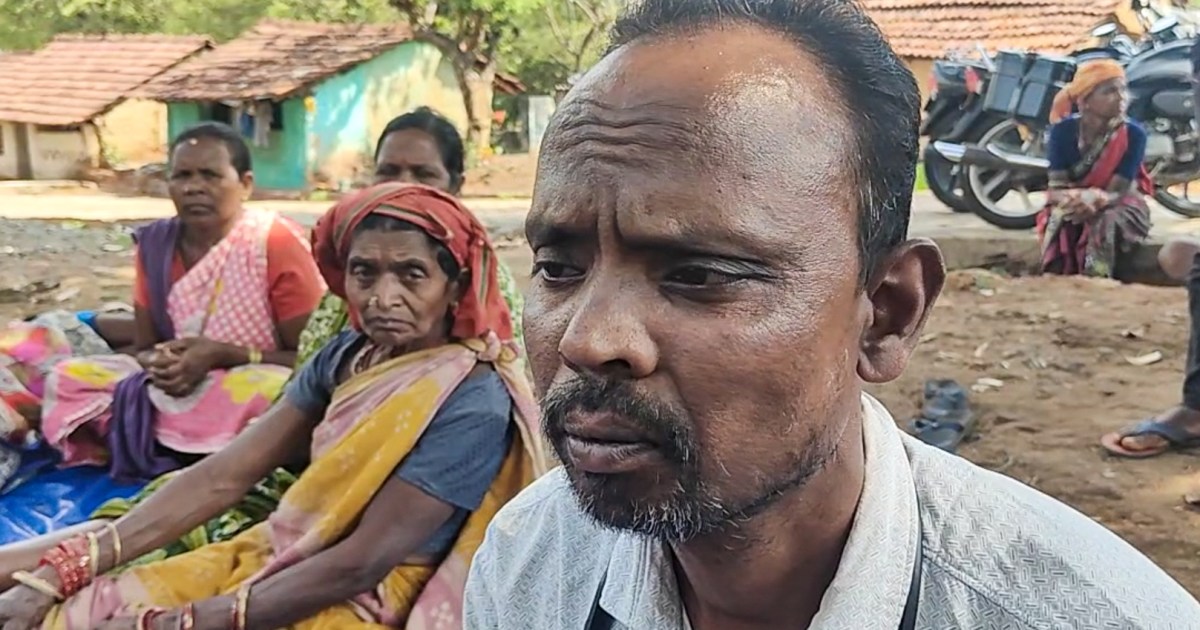
Villagers in India have come forward with allegations that forged documentation was used to secure land rights for a bauxite mining project linked to the Adani Group. The residents claim that signatures and thumbprints on official land acquisition documents include those of people who have died and others who do not exist, casting doubt on the legitimacy of the land transfer process.
The allegations underscore longstanding concerns about land acquisition practices in India's mining sector, where communities frequently contest the methods used to obtain property rights from rural landholders. Bauxite mining, used to produce aluminum, has expanded significantly across several Indian states in recent years, often sparking disputes with indigenous and farming communities whose land lies atop mineral deposits.
The Adani Group, one of India's largest conglomerates with interests spanning ports, power, and mining, has faced increased scrutiny in recent years over environmental and governance concerns related to its projects. The company has previously stated its commitment to following all applicable laws and regulations in its mining operations.
Local authorities and relevant government agencies have not yet issued formal statements responding to the villagers' claims of document forgery. The allegations are likely to intensify debate over regulatory oversight and accountability mechanisms governing large-scale resource extraction projects in India.