World · World News Bureau
Indonesia battles worst wildfire season in decade as peat blazes ravage Kalimantan
Central Kalimantan is facing an unprecedented wildfire crisis, with peat fires posing particular dangers to both the environment and public health. Experts warn that the region's worst fire season in ten years underscores the vulnerability of Indonesia's unique peatland ecosystems.
LSN World News ·
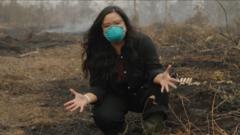
Central Kalimantan has become the epicenter of Indonesia's most severe wildfire season since 2015, with blazes spreading rapidly across the region's extensive peatland areas. The fires have raised alarms among environmental scientists and public health officials, who point to the distinctive characteristics of peat fires as a major concern.
Peatland consists of partially decomposed organic matter accumulated over thousands of years, creating highly flammable deposits that can smolder for extended periods. Unlike conventional forest fires that burn above ground, peat fires burn beneath the soil surface, making them extremely difficult to detect and extinguish. Once ignited, these subsurface blazes can persist for months, continuously releasing massive quantities of smoke and carbon emissions into the atmosphere.
The scale of this year's fires has overwhelmed firefighting capabilities across the province. Authorities have deployed enhanced monitoring systems and increased personnel to combat the blazes, but the peatland terrain and challenging climate conditions have complicated containment efforts. The thick haze generated by the fires has blanketed surrounding regions, creating hazardous air quality conditions that threaten respiratory health across a wide area.
Environmentalists emphasize that Indonesia's peatlands serve critical functions in global carbon cycles and support unique biodiversity. The recurring wildfire crises have intensified calls for stronger land management policies and investment in fire prevention infrastructure. Officials have acknowledged the urgency of addressing both immediate firefighting needs and long-term strategies to protect these vital ecosystems from future conflagrations.