World · World News Bureau
Indonesia Commissions First Aircraft Carrier as Military Modernization Accelerates
Indonesia has taken delivery of its first aircraft carrier, marking a significant milestone in the country's defense modernization program. The vessel is expected to enhance the nation's capacity for disaster response operations across its vast archipelago.
LSN World News ·
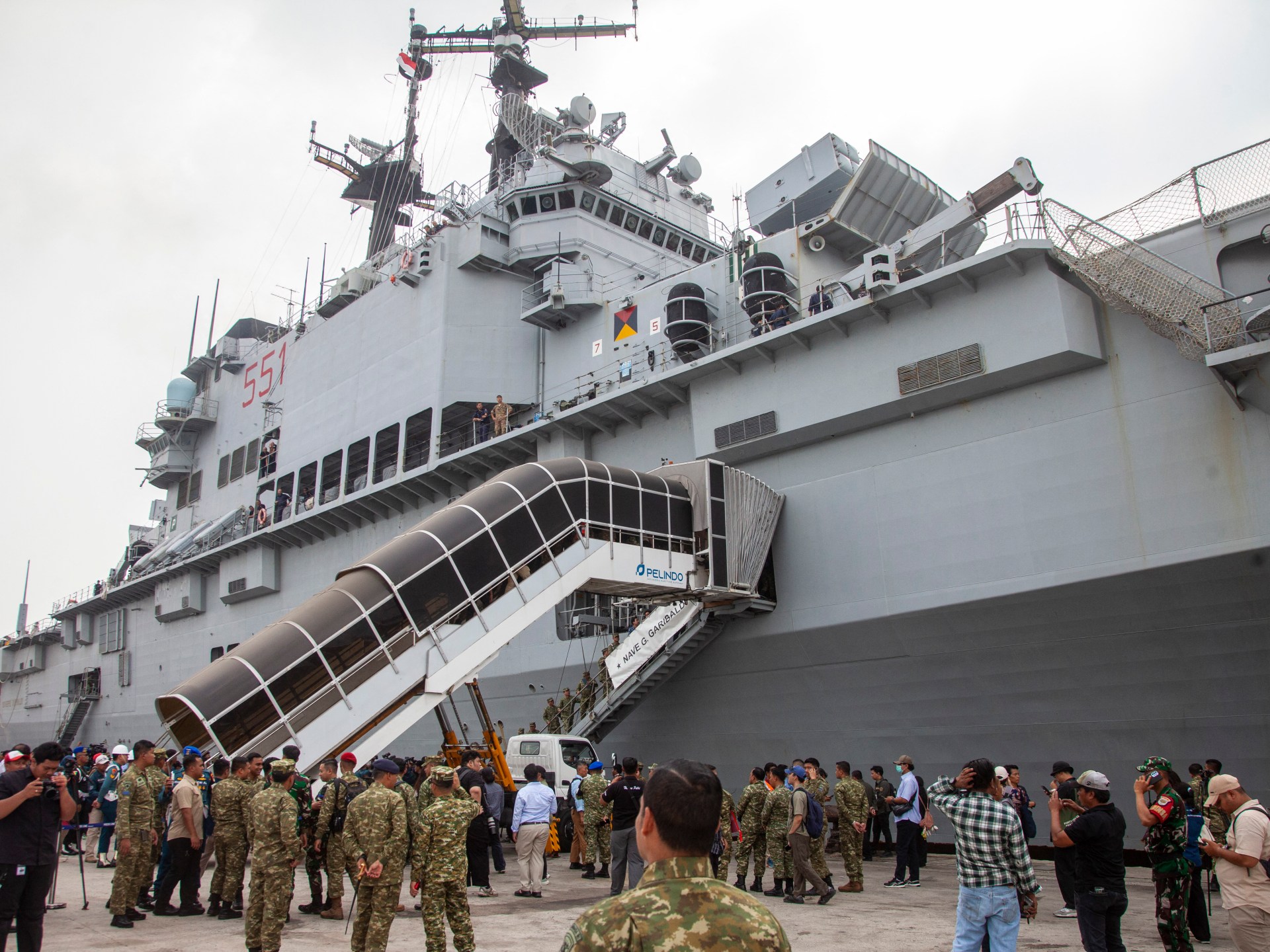
Indonesia has officially acquired its inaugural aircraft carrier, a development that underscores the Southeast Asian nation's commitment to strengthening its military capabilities and expanding its operational reach across the region's expansive maritime domain.
The vessel joins Indonesia's naval fleet at a time when the country is undertaking a broader defense modernization initiative. Officials have emphasized that the carrier will serve multiple strategic purposes, with particular focus on its role in supporting humanitarian and disaster relief operations—a critical function given Indonesia's vulnerability to natural disasters and its geography spanning thousands of islands across three time zones.
The acquisition reflects Indonesia's efforts to enhance its maritime security posture and improve its ability to project power and respond to emergencies across the archipelago. The carrier's deployment will enable the Indonesian Navy to conduct sustained operations in distant regions and provide rapid assistance during humanitarian crises.
Indonesia, as Southeast Asia's largest economy and a key player in regional security architecture, has prioritized naval development as part of its strategic defense posture. The addition of the aircraft carrier represents the culmination of years of planning and procurement efforts aimed at modernizing the country's aging military hardware.
Defense analysts view the acquisition as consistent with Indonesia's broader strategic objectives of securing its maritime interests while maintaining its capacity for humanitarian assistance—a dual mandate that has increasingly defined modern naval operations in the region.