Business · World News Bureau
Indonesia earthquake tests Prabowo's fiscal commitments amid reconstruction needs
A major earthquake in Indonesia has exposed potential tensions between President Prabowo Subianto's economic promises and the substantial public spending required for disaster recovery. The natural disaster comes as the new administration attempts to balance infrastructure investment with fiscal discipline.
LSN World News ·
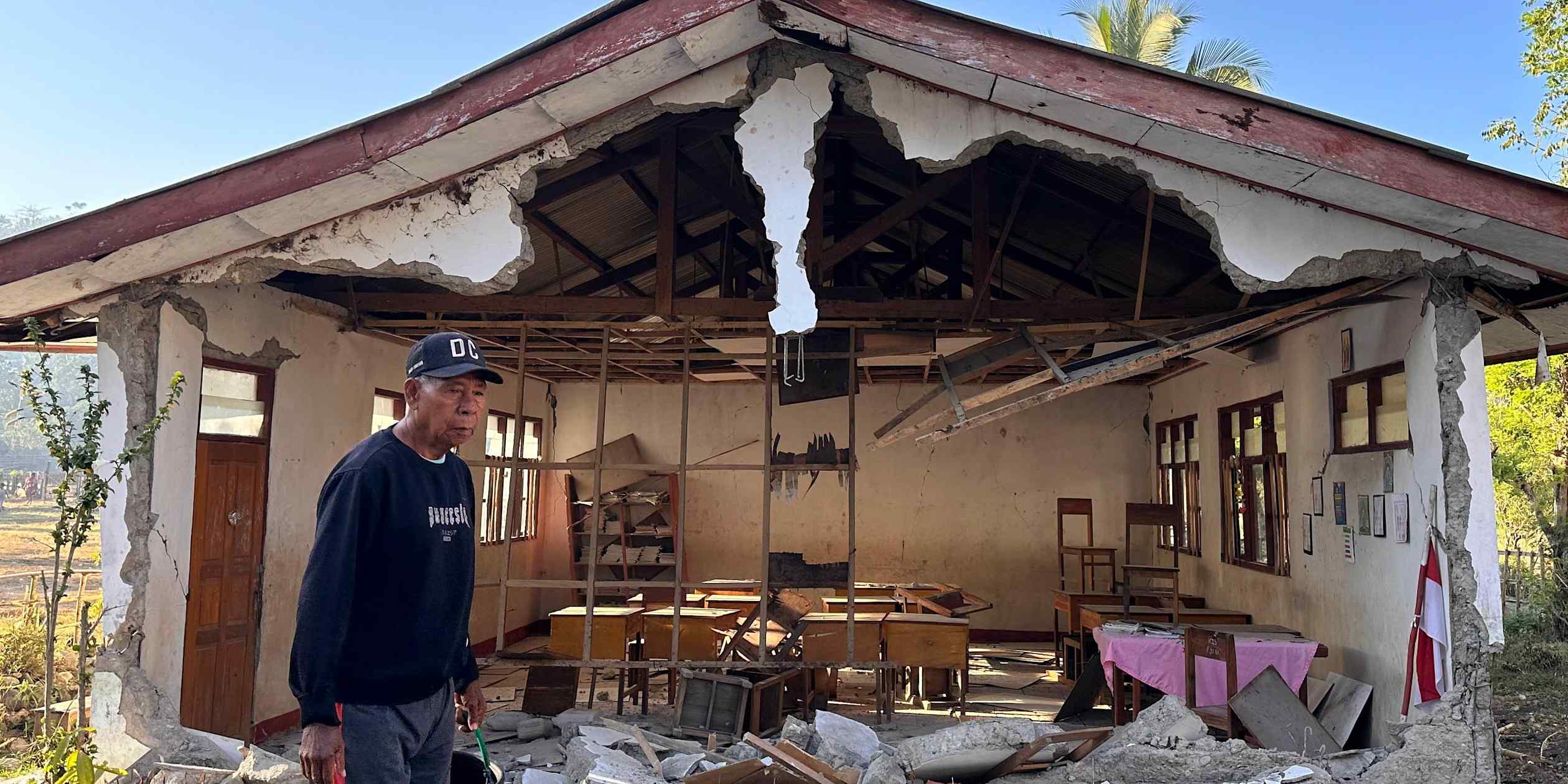
Indonesia's recent earthquake has created an immediate fiscal challenge for the newly installed Prabowo administration, forcing policymakers to confront difficult budget trade-offs just months into the presidency. The disaster, which caused significant damage across affected regions, will require substantial government outlays for reconstruction, emergency relief, and rebuilding of critical infrastructure—commitments that may strain the economic framework the administration has outlined.
Prabowo's economic platform has emphasized selective state investment alongside efforts to maintain fiscal stability and manage inflation. However, the earthquake's aftermath demands immediate mobilization of resources that could complicate these carefully calibrated plans. Officials have begun assessments of damage and preliminary estimates of reconstruction costs, which analysts warn could reach significant proportions depending on the final toll.
The situation underscores a recurring challenge for Indonesian administrations: balancing long-term development goals with urgent humanitarian needs. Previous governments have struggled to maintain fiscal targets while responding to natural disasters, often leading to either increased deficits or reallocation of funds originally earmarked for planned projects.
Economists and observers are watching closely to see how Prabowo's government prioritizes competing demands. Officials have signaled commitment to both disaster relief and broader economic objectives, but the practical implementation will test the administration's ability to navigate these competing pressures during a critical early phase of governance.