Business · Singapore Bureau
Indonesia gas cuts force reckoning on regional energy security
Indonesia's decision to reduce liquefied natural gas exports to Singapore has reignited debate over energy vulnerabilities in the region, despite minimal expected impact on Singapore's power supply and tariffs. The move underscores competing pressures between meeting domestic energy demands and maintaining crucial trade relationships.
LSN Singapore ·
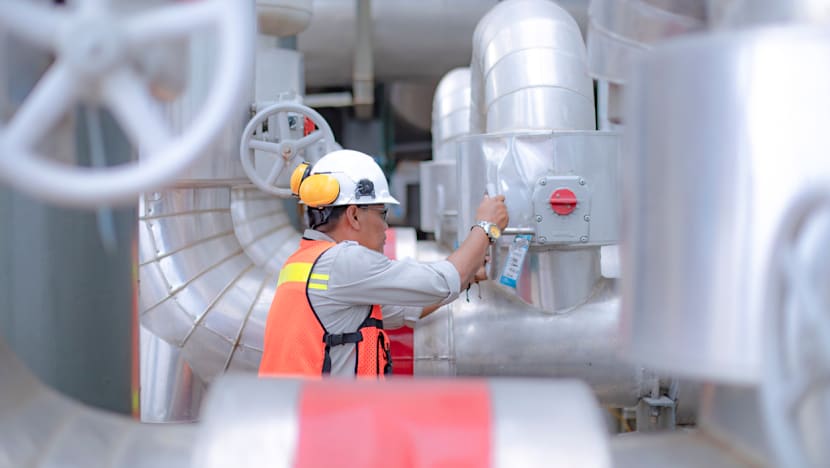
Indonesia's reduction in LNG shipments to Singapore reflects mounting domestic energy needs as the Southeast Asian nation seeks to support its own industrial growth and power generation requirements. While Singapore's energy mix remains diversified and the shortfall is unlikely to materially affect electricity availability or consumer prices in the city-state, the development highlights the delicate balance both countries must navigate between national energy security and regional economic interdependence.
Analysts say the situation raises strategic questions about Singapore's reliance on imported energy resources, particularly given the island's limited domestic production capacity and geographic constraints. The reduction comes as Indonesia faces pressure to prioritize domestic consumption amid growing electricity demand from manufacturing and population centers across its vast archipelago.
Singapore has long managed energy security through diversified sourcing, including LNG imports from multiple suppliers and investments in alternative energy infrastructure. However, the Indonesian decision signals that regional suppliers may increasingly favor domestic applications as their own economies expand and energy demands intensify.
Both countries are expected to continue dialogue on energy cooperation, balancing Singapore's import requirements with Indonesia's development priorities. The situation underscores the importance of long-term energy planning and regional coordination to ensure stable supplies across Southeast Asia as the region's energy demands continue to grow.