World · Malaysia Bureau
Indonesia grapples with 1,437 hotspots as transboundary haze spreads
Indonesia has detected more than 1,400 active fire hotspots, triggering hazardous air quality readings across Sumatra and Kalimantan. The deteriorating conditions pose health risks to residents across the region, with some areas recording dangerous pollution levels.
LSN Malaysia ·
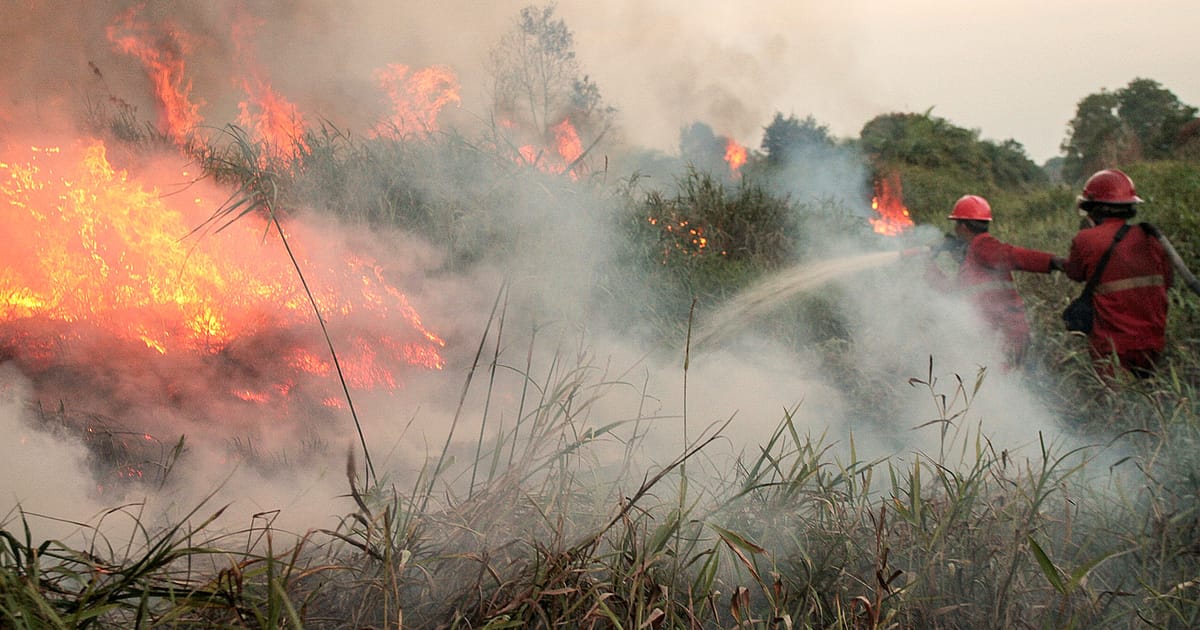
Indonesian authorities have identified 1,437 active fire hotspots as land and forest fires continue to impact air quality across major population centres in Sumatra and Kalimantan, triggering cross-border haze that affects neighbouring countries including Malaysia.
Air quality measurements in the affected regions have reached unhealthy to very unhealthy levels, with certain areas recording readings classified as hazardous to public health. The spike in hotspots signals an intensification of the annual fire season, which typically occurs during the dry months and poses significant environmental and health challenges across Southeast Asia.
The transboundary nature of the haze means that smoke and particulate matter are drifting across regional borders, potentially affecting air quality in neighbouring nations. Residents in affected areas face increased respiratory risks, with vulnerable populations including children, the elderly, and those with pre-existing health conditions facing heightened exposure.
Indonesian environmental agencies have been monitoring the situation, though the scale of hotspots suggests widespread land clearing and agricultural burning activities. Regional cooperation mechanisms remain critical in addressing the annual haze phenomenon, which has historically caused significant disruption to air travel, commerce, and public health across Southeast Asia.