Business · Indonesia Bureau
Indonesia imposes permanent ban on lobster larvae exports
The Indonesian government has enacted a permanent prohibition on the export of lobster larvae, marking a significant shift in the country's crustacean trade policy. The decision aims to protect domestic aquaculture resources and support local farming industries.
LSN Indonesia ·
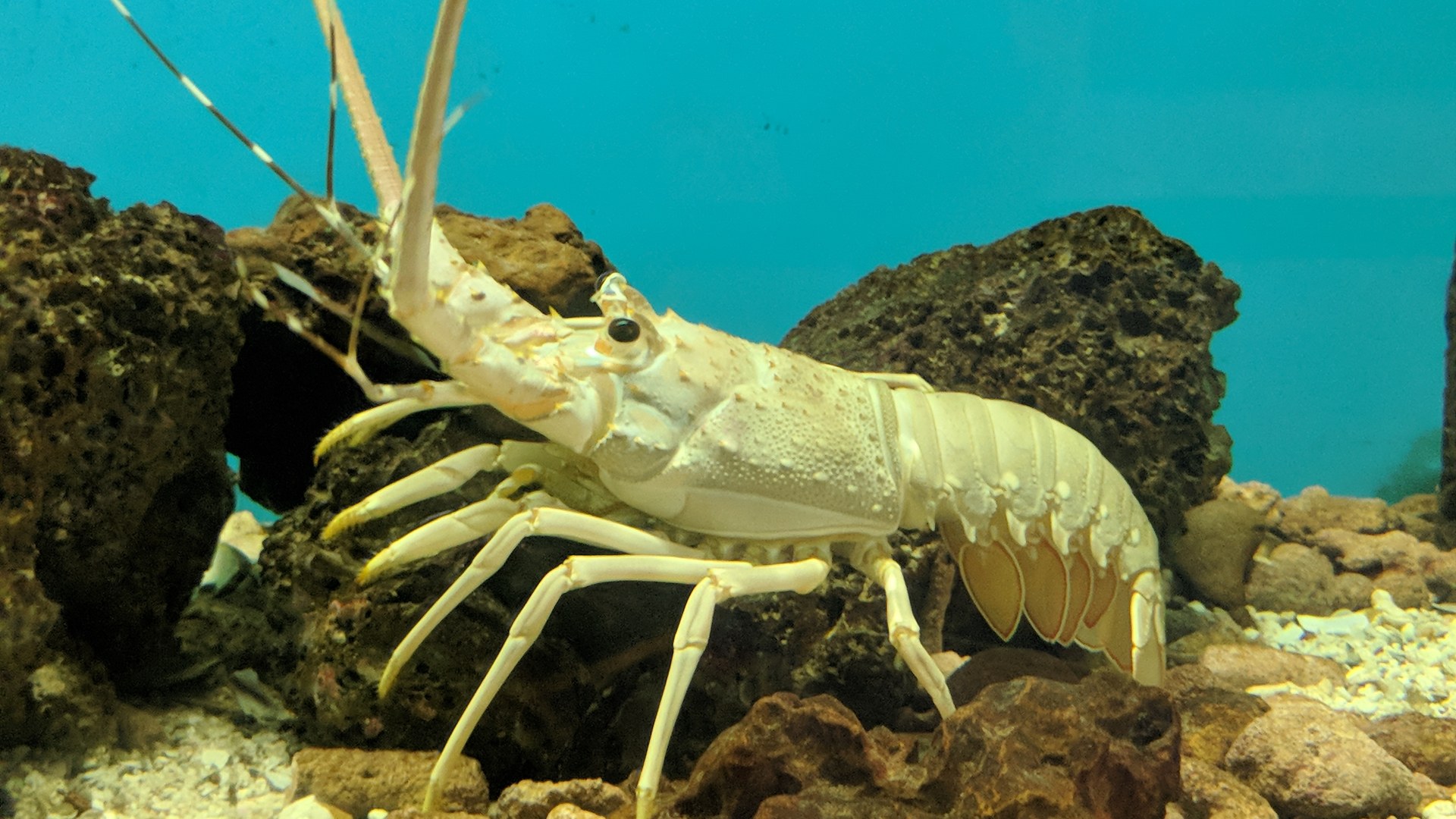
Indonesia has officially implemented a permanent ban on lobster larvae exports, closing a chapter in the nation's marine product trade that has long raised environmental and economic concerns. The policy reflects growing government commitment to safeguarding the country's aquatic biodiversity and ensuring sustainable development of its shellfish farming sector.
The ban represents a fundamental change in regulatory approach, preventing foreign buyers from accessing Indonesian lobster seed stock that previously supplied international hatcheries and aquaculture operations. By restricting larvae exports, authorities aim to redirect resources toward domestic cultivation and processing, potentially strengthening Indonesia's position as a primary producer of finished lobster products rather than a supplier of raw biological materials.
The move is expected to benefit local aquaculture farmers and processors who can now access a more reliable domestic supply of lobster larvae for their operations. Industry analysts suggest the policy could accelerate development of Indonesia's domestic lobster farming capabilities and create additional value-added economic opportunities across coastal regions.
Government officials have emphasized that the permanent export prohibition aligns with broader environmental conservation objectives and long-term economic planning focused on maximizing returns from the nation's marine resources. The decision follows years of discussion within Indonesia's fisheries sector regarding optimal management of lobster populations and larvae availability.
Photo: A scalloped spiny lobster (Panulirus homarus), a species common in Indonesian waters, April 2018. Vengolis via Wikimedia Commons (CC BY-SA 3.0).