Politics · Indonesia Bureau
Indonesia's Constitutional Court rules new Police Law was made improperly, gives lawmakers a year to fix it
The court found that the 2026 amendment to the Police Law skipped required legislative steps. The law stays in force for now, but the old provisions return if the House and government do not repair the process within 12 months.
LSN Indonesia ·
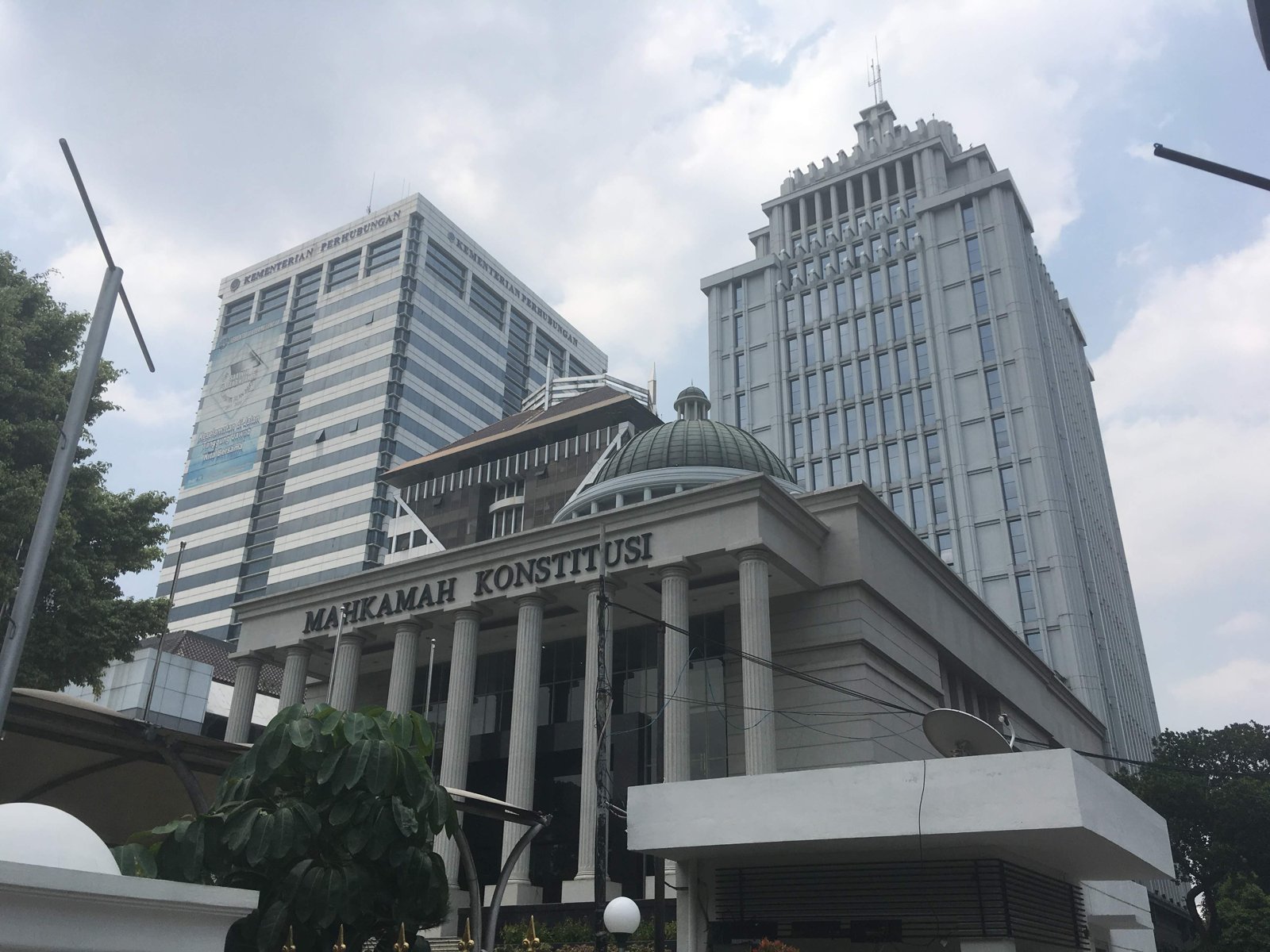
<p>Indonesia's Constitutional Court (MK) ruled on Monday (23 November) that the process used to pass the country's new Police Law was formally flawed, and ordered the House of Representatives (DPR) and the government to correct it within one year.</p>
<p>Reading out ruling No. 251/PUU-XXIV/2026, Chief Justice Suhartoyo said the court partly granted a formal review petition against Law No. 5 of 2026, the third amendment to the 2002 law on the Indonesian National Police (Polri), according to the court's own statement, Antara and Kompas.</p>
<p>Under the ruling, the 2026 law remains legally binding on a conditional basis while it is repaired. If lawmakers fail to fix the process within a year of the ruling, the law becomes permanently unconstitutional and the provisions it repealed or changed in the 2002 Police Law will apply again, the court said.</p>
<p>In its legal reasoning, read by Justice Ridwan Mansyur, the court said the law had not been drawn up using a clear, standard legislative method and did not conform to the principles that govern how laws are made in Indonesia. It said lawmakers must guarantee public access to information about the bill and ensure meaningful public participation, as required by the constitution.</p>
<p>The court said that live or recorded broadcasts of parliamentary deliberations on YouTube or television were useful but could only supplement, not replace, the publication of the written bill documents on official channels. It also warned lawmakers against posting documents in ways that hide or backdate their upload dates, saying this could mislead the public about how a law was made.</p>
<p>Justice Enny Nurbaningsih said one key problem was that the DPR elected for 2024-2029 took over the police bill from the previous House and adopted it as its own initiative without the harmonisation stage normally carried out by the House Legislation Body (Baleg). She said the authority of a plenary session to adopt a bill as a House initiative did not allow lawmakers to bypass the stages set out in the law on lawmaking, Kompas reported. The court rejected arguments that harmonisation had in effect been carried out through other stages of the deliberations.</p>
<p>The petition was brought by two applicants who argued that the amendment ignored principles of transparency, effectiveness and meaningful public participation, Kompas reported.</p>
<p>The ruling sends the police legislation back to the DPR and the government, which must now decide how to redo the flawed steps before the one-year deadline.</p>
<p>File photo: The Constitutional Court of Indonesia building in Jakarta. Photo: Christophe95, CC BY-SA 4.0, via Wikimedia Commons.</p>