World · Singapore Bureau
Indonesia's Degraded Peatlands Fuel Massive Carbon Emissions
Indonesian wildfires have released over 140 megatonnes of carbon dioxide into the atmosphere by early October, with damaged and drained peatlands serving as the primary fuel source. The crisis underscores the region's vulnerability to environmental degradation and climate impacts.
LSN Singapore ·
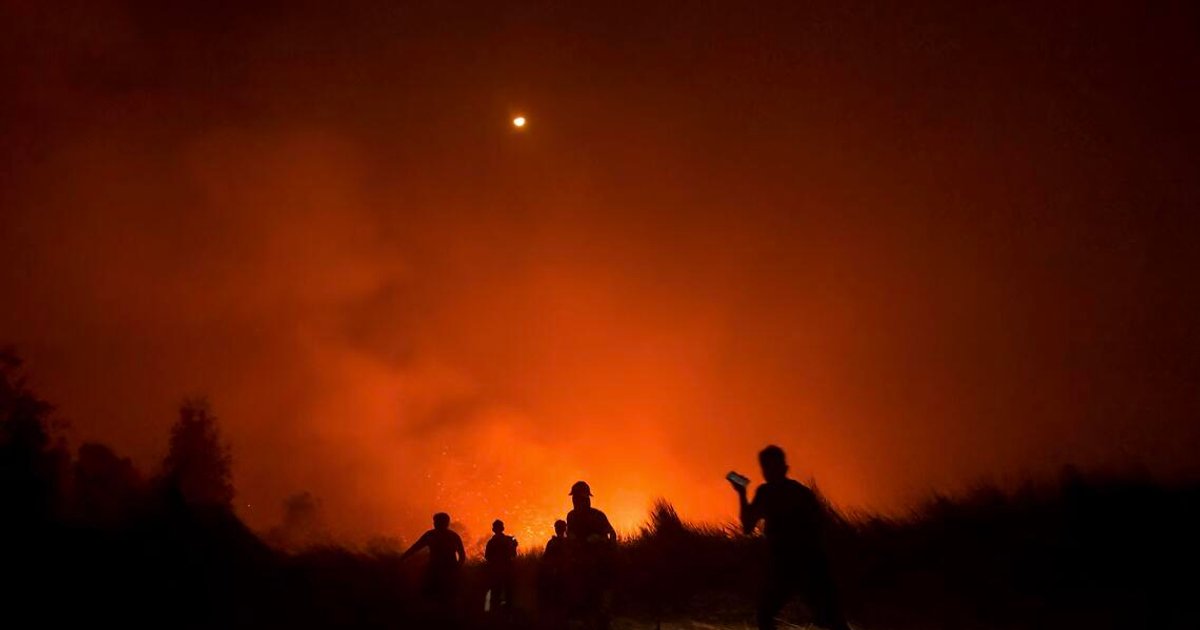
Indonesia's peatlands, already weakened by drainage and prior damage, have become a significant source of greenhouse gas emissions as wildfires sweep across the archipelago. By October 6, the fires had released approximately 140.5 megatonnes of carbon dioxide equivalent into the atmosphere, intensifying concerns about the country's contribution to global warming.
The fires predominantly affect peatlands, which are particularly carbon-rich ecosystems. When drained or degraded, these areas become increasingly susceptible to burning, releasing vast quantities of stored carbon that would otherwise remain sequestered in the soil. The scale of emissions from this season's fires reflects the accumulated impact of long-term environmental degradation across the region.
The Indonesian peatlands crisis represents a broader challenge for Southeast Asia's environmental management. The combination of natural fire conditions and anthropogenic landscape changes has created conditions where wildfires can spread rapidly and burn intensely. Regional air quality and transboundary haze remain significant concerns during peak fire seasons.
Environmental experts have emphasized that addressing peatland degradation requires comprehensive restoration efforts, including rewetting damaged areas and implementing stricter land management practices. The scale of current emissions underscores the urgency of preventive action to protect these critical carbon stores and reduce Indonesia's contribution to atmospheric greenhouse gas concentrations.