Business · Singapore Bureau
Indonesia's haze crisis threatens pollination, risks palm oil supplies
Smoke blanketing Indonesia is disrupting pollinator activity critical to palm oil production, compounding existing supply concerns in a market already facing significant pressures. The phenomenon underscores the interconnected risks threatening the region's most valuable agricultural commodity.
LSN Singapore ·
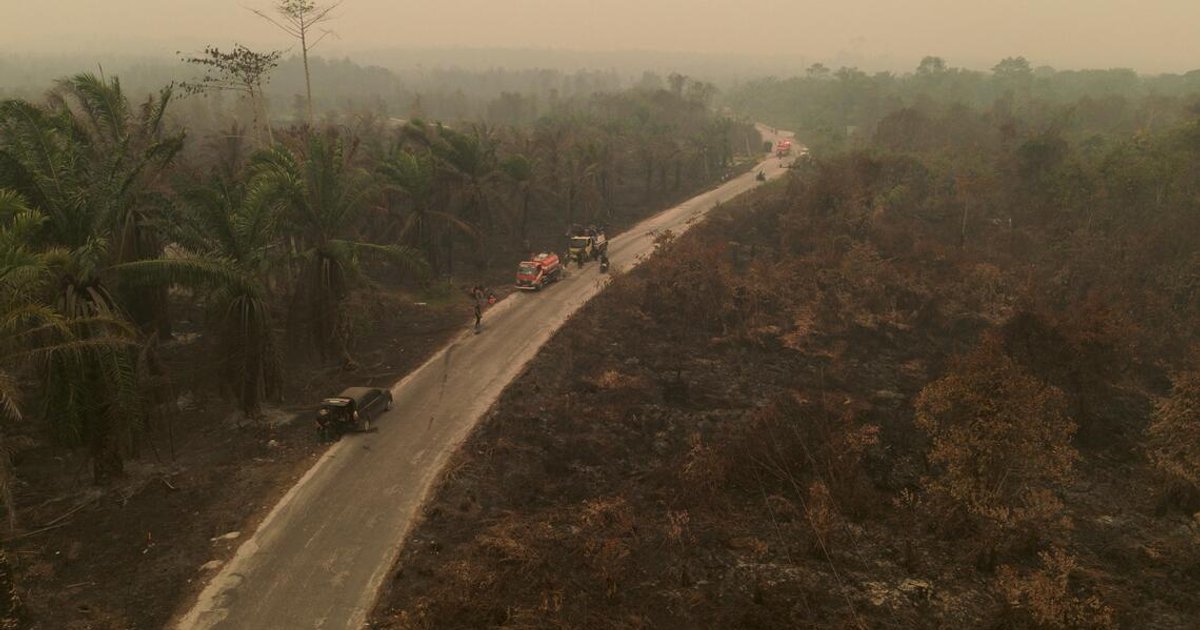
Dense haze from forest and land fires across Indonesia is hampering the movement and activity of insects essential to pollinating oil palm flowers, threatening yields at a time when global supplies are already constrained. Palm oil production depends heavily on effective pollination by insects such as small beetles and other arthropods, which struggle to navigate and forage in smoke-laden conditions.
The disruption adds a new dimension to supply-side challenges confronting the palm oil sector. Indonesia and Malaysia, which together produce roughly 85 percent of the world's palm oil, have been grappling with tight inventories, weather-related crop pressures, and shifting demand patterns that have kept markets volatile.
The timing of pollinator disruption during Indonesia's dry season—when fires typically peak and flowering cycles are active—heightens concerns about potential yield reductions. Industry analysts warn that even moderate declines in pollination rates could translate into measurable impacts on output volumes during the next harvest cycles.
Environmental and agricultural experts have long flagged the ecological costs of recurring fire seasons in Southeast Asia. The haze crisis underscores how climate vulnerabilities and environmental degradation intersect with commodity production, creating cascading risks across supply chains that extend globally. Stabilizing fire management and forest preservation have become increasingly critical to both environmental sustainability and market stability in the region.