Politics · Indonesia Bureau
Indonesia's parliament passes asset forfeiture law after 18 years, allowing seizures without a conviction
All eight House factions backed the law on Thursday. It lets the state seize criminal assets worth at least Rp1 billion even without a conviction in some cases, but civil society groups warn the safeguards are weak.
LSN Indonesia ·
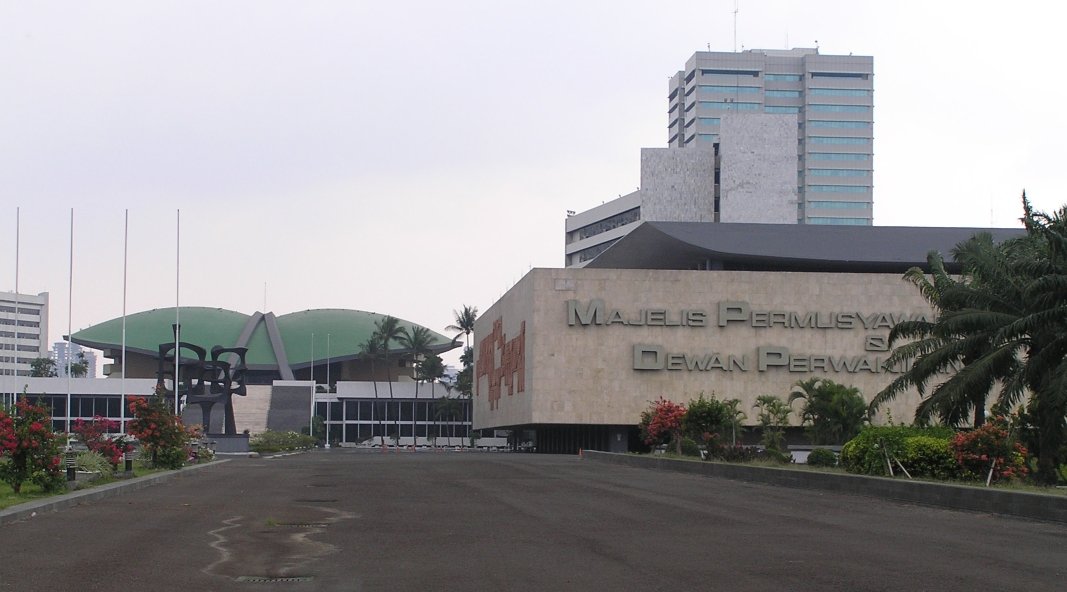
<p>Indonesia's House of Representatives (DPR) passed the Bill on Asset Forfeiture Related to Corruption and Other Crimes into law on Thursday, November 19, ending a legislative journey that began when the measure was first proposed in 2008.</p>
<p>The decision was taken at the House's 13th plenary session of the current sitting period, chaired by Speaker Puan Maharani. All eight party factions approved the bill, The Jakarta Post reported. The vote followed a first-level agreement reached on Wednesday between House Commission III, which oversees legal affairs, and the government.</p>
<p>Commission III chairman Habiburokhman, who led the working committee on the bill, told the plenary that lawmakers had worked through 397 items on the problem inventory list. According to the House's own news service, the draft grew from 67 to 74 articles during deliberations, and the title was expanded to make clear that it covers corruption and other crimes.</p>
<p>The central change is a non-conviction-based forfeiture mechanism. Under the law, the state may seize assets linked to crime either on the basis of a final criminal verdict or, in certain situations, without one. According to Antara, those situations are when the perpetrator has died, has fled, is permanently ill, is unidentified, or cannot be located, and the assets must have been worth at least Rp1 billion when acquired. Administrative and Bureaucratic Reform Minister Rini Widyantini, who represented the government, said the rules were meant to fix the state's past reliance on securing a criminal conviction before recovering assets, Reuters reported. The mechanism does not remove criminal liability.</p>
<p>Besides corruption, the law covers narcotics, terrorism and terrorism financing, people smuggling, arms smuggling, human trafficking, and technology-based fraud and embezzlement with wide public impact. Antara said the explanatory notes cite online gambling, investment scams, haj and umrah travel fraud, and cryptocurrency schemes.</p>
<p>State attorneys will file forfeiture requests in court and must prove that the assets are linked to a crime. Where a suspect has fled, a request can be filed no earlier than 60 days after the person is placed on the wanted list. Court hearings are capped at 60 days, and the only appeal is a final cassation at the Supreme Court, also limited to 60 days. Freezing and seizure orders need a court's permission and are subject to time limits.</p>
<p>Seized assets will be managed by an agency set up by the President. A five-member independent oversight body will be formed by the President with the House's approval. Investigators and prosecutors who break the rules face administrative, ethical or criminal sanctions. Third parties who acquired assets legally and in good faith can object and seek compensation.</p>
<p>The law does not apply retroactively. It covers only crimes committed after it comes into force, which will be 12 months after it is promulgated and once the management and oversight bodies are in place, according to Antara.</p>
<p>Anti-corruption campaigners and protesters had long pushed for the law. But the Legal Aid Institute of Indonesia warned on Wednesday that it gave extensive powers to freeze, seize and manage assets without strong enough safeguards against abuse, Reuters reported. Reuters added that the final text had not been made public immediately, and The Jakarta Post noted concerns that the drafting process had been opaque.</p>