World · Singapore Bureau
Indonesia's Recurring Haze Problem Persists Despite Decade of Reforms
Ten years after devastating fires blanketed the region in thick smog, Indonesia continues to battle seasonal haze as enforcement gaps and the cost-effectiveness of burning agricultural land undermine reform efforts.
LSN Singapore ·
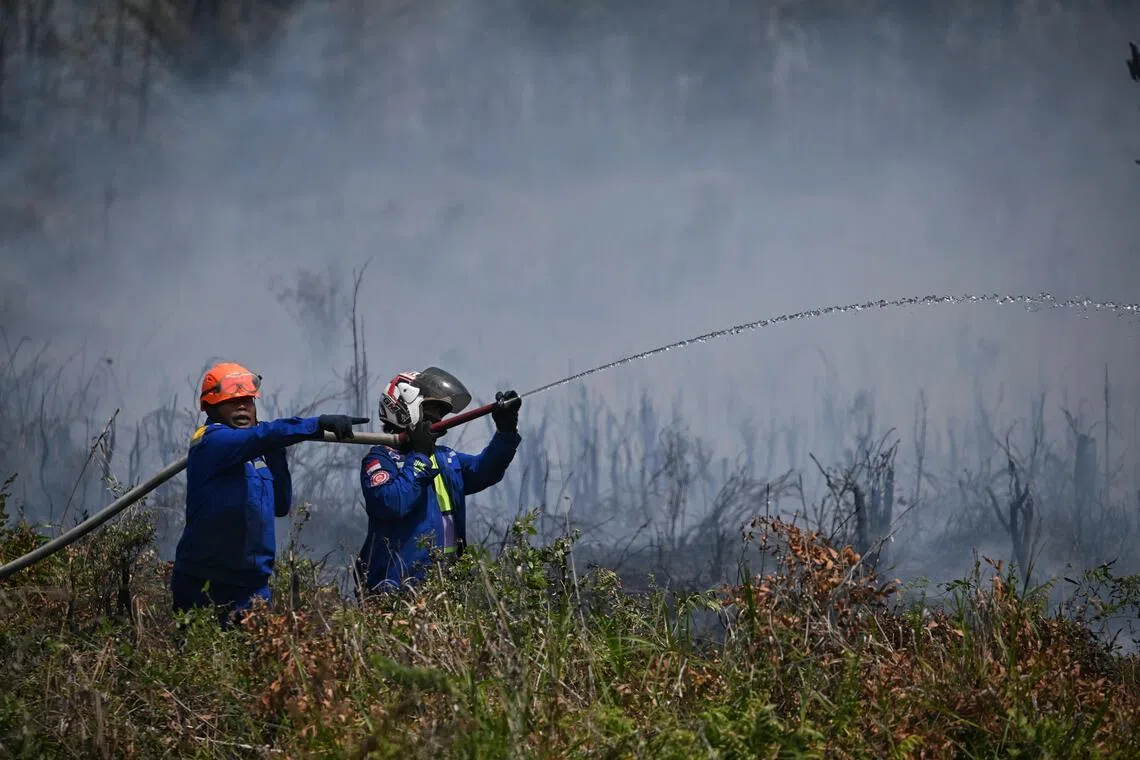
A decade of regulatory measures and commitments has reduced the scale of Indonesia's fires compared to the catastrophic 2015 outbreak, yet the country remains vulnerable to recurring haze episodes that affect air quality across Southeast Asia, particularly in Singapore and Malaysia.
Despite government initiatives aimed at preventing land-clearing fires, enforcement remains inconsistent across Indonesia's vast archipelago. Agricultural producers continue to resort to cheap burning methods to clear land for plantations, as alternatives prove more expensive and administratively burdensome. The economic incentives favouring rapid land preparation through fire have not been fully offset by regulatory penalties or viable substitutes.
The recurrence of haze demonstrates that structural challenges persist beneath headline reform achievements. Coordination between central and regional authorities remains uneven, while the profitability of palm oil and other commodity production creates pressure to overlook violations. Seasonal weather patterns, particularly during dry seasons, exacerbate the problem by creating conditions ideal for fire spread.
Environmental and regional concerns have prompted continued diplomatic engagement, with neighbouring countries advocating for stricter enforcement. However, lasting solutions require sustained investment in alternative land-clearing technologies, stronger incentives for compliance, and more rigorous monitoring across Indonesia's dispersed farming regions. Without addressing the underlying economics of burning, seasonal haze episodes are likely to persist.