World · Indonesia Bureau
Indonesia strengthens accountability mechanisms to combat judicial impunity
Legal reforms aim to close loopholes that have historically allowed corrupt officials and those wielding power to evade justice. The measures represent a significant step toward establishing consistent enforcement of rule of law across Indonesian institutions.
LSN Indonesia ·
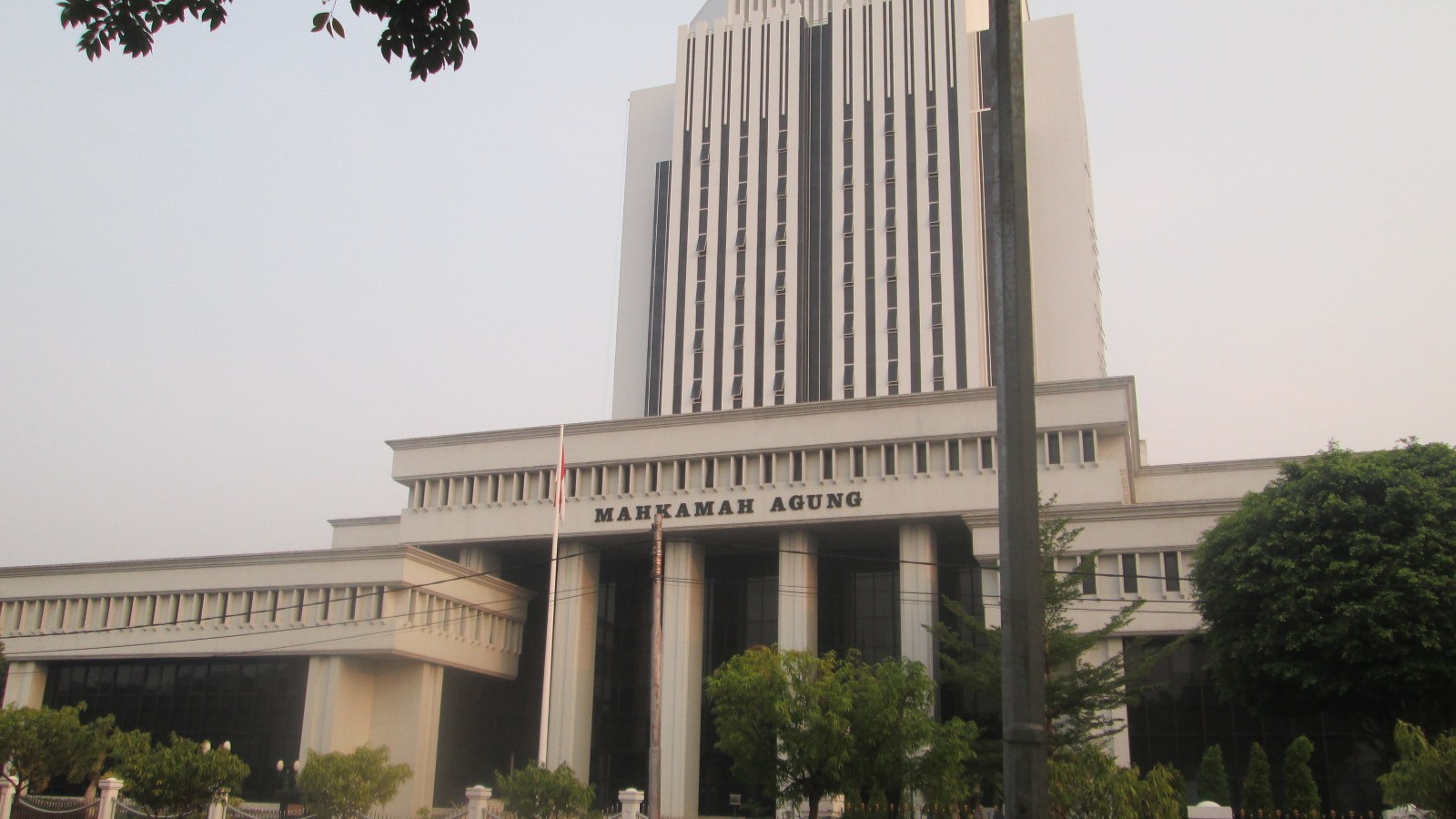
Indonesia is taking renewed steps to strengthen its accountability systems and eliminate longstanding impunity for high-ranking officials and judiciary members accused of misconduct. The renewed push reflects growing recognition among policymakers that persistent gaps in enforcement mechanisms have undermined public confidence in the justice system and enabled officials to operate without meaningful consequences for their actions.
Historically, structural weaknesses in Indonesia's prosecutorial framework and investigative capacity have allowed individuals with political connections or institutional power to avoid prosecution despite credible allegations of wrongdoing. These gaps have been particularly evident in cases involving senior judges, prosecutors, and administrative officials whose positions afforded them protection from normal accountability procedures.
The strengthened framework targets these vulnerabilities through enhanced oversight mechanisms, clearer investigative protocols, and expanded authority for anti-corruption bodies to pursue cases that previously fell into jurisdictional gray areas. Officials have emphasized that consistent application of existing laws, combined with procedural improvements, can substantially increase the certainty of accountability.
Implementation challenges remain significant, including the need for adequate funding, specialized training for investigators, and sustained political commitment to pursue cases regardless of the defendant's rank or connections. Legal experts suggest that visible prosecution of high-profile cases will be crucial to demonstrating that the reform efforts represent genuine institutional change rather than symbolic gestures.
The initiative reflects international pressure and domestic civil society demands for demonstrable improvements in Indonesia's justice sector. Success will likely depend on whether prosecutorial outcomes match the stated commitment to impartial enforcement of existing laws.
Photo: The Supreme Court of Indonesia (Mahkamah Agung) building on Jalan Medan Merdeka Utara, Jakarta, November 2015. Lukman Tomayahu via Wikimedia Commons (CC BY-SA 4.0).