World · World News Bureau
Indonesian fires and haze linked to over 5,200 deaths, research finds
A comprehensive study has attributed more than 5,200 deaths to Indonesia's recurring fire and haze crises, highlighting the severe public health toll of the nation's environmental challenges. The research underscores the urgent need for stronger prevention measures across the region.
LSN World News ·
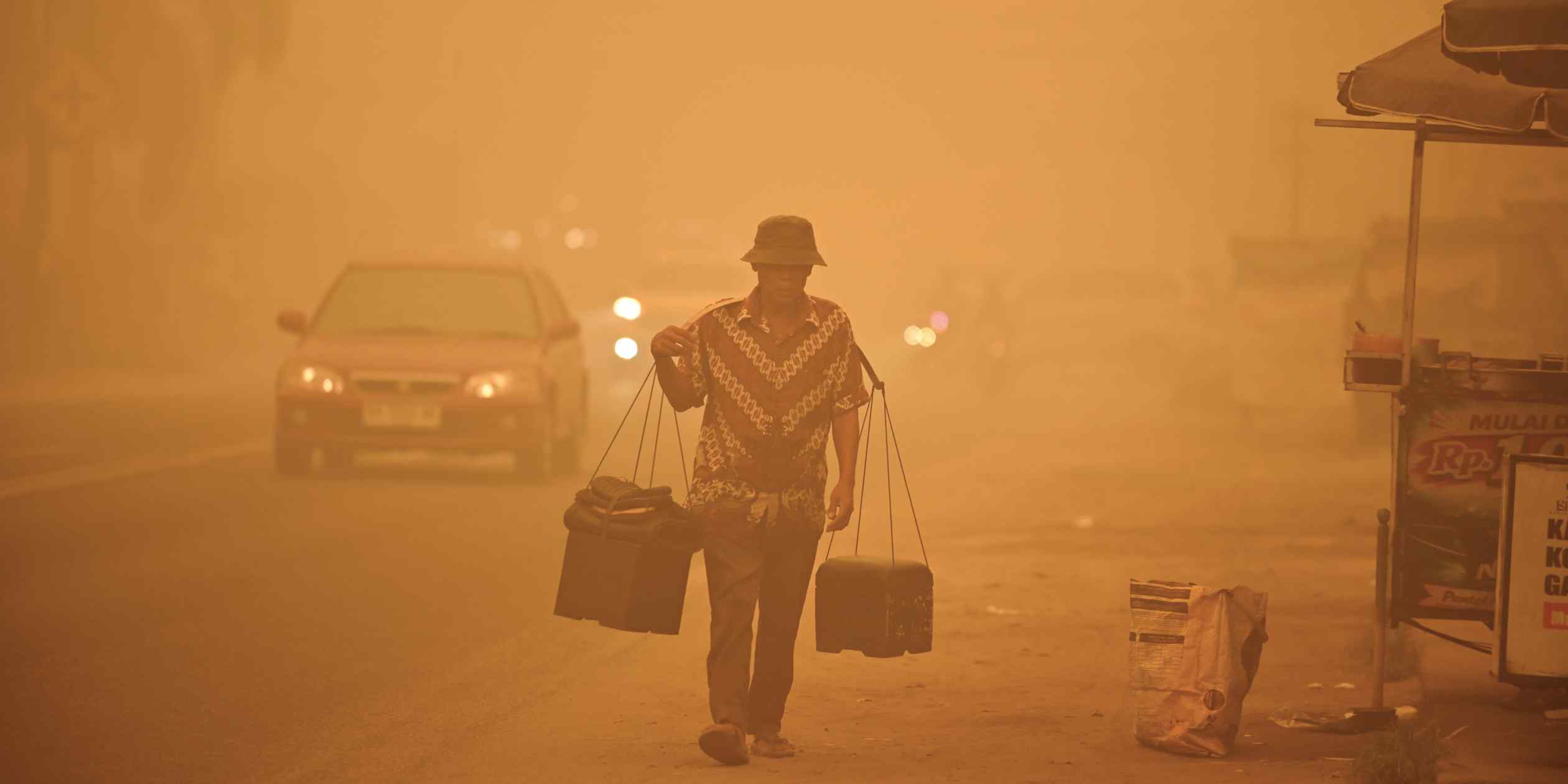
Recent research has quantified the human cost of Indonesia's persistent fire and smoke problems, identifying over 5,200 deaths linked to the phenomenon. The findings add significant weight to growing concerns about the public health impacts of seasonal fires that regularly blanket Indonesia and neighboring countries with hazardous smoke and ash.
The deadly haze events, which occur periodically—particularly during dry seasons—originate largely from agricultural burning and uncontrolled wildfires across Indonesian islands. The resulting air pollution has been documented to cause acute respiratory illnesses, cardiovascular complications, and other serious health conditions across vulnerable populations.
Indonesia has long struggled to control illegal burning practices, despite implementing various regulations and enforcement mechanisms. Peatland degradation has exacerbated the problem, making fires more frequent and harder to extinguish once ignited. The transboundary nature of the smoke means the health crisis extends beyond Indonesia's borders, affecting millions across the broader Southeast Asian region.
The research findings are expected to intensify pressure on Indonesian authorities and regional governments to adopt more robust environmental and fire management policies. Environmental organizations have called for stricter penalties for illegal burning, improved land management practices, and enhanced regional cooperation to prevent future crises of this magnitude.