Politics · Indonesia Bureau
Indonesian House advances bill that would allow fast-track lawmaking
Lawmakers adopted the lawmaking procedures bill as a House initiative on Tuesday, setting up a shortened track for some laws; a legal scholar warns vague urgency criteria could invite abuse.
LSN Indonesia ·
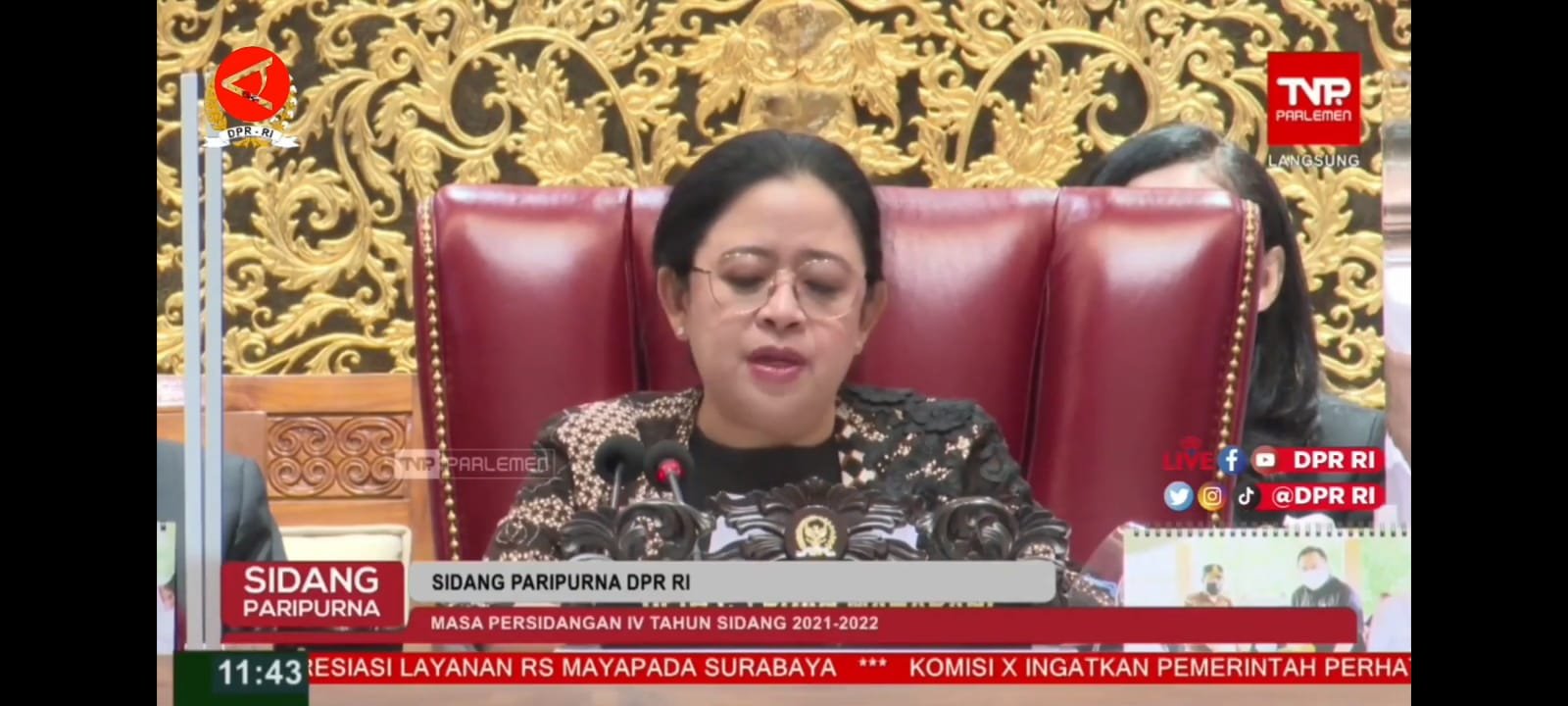
<p>Indonesia's House of Representatives (DPR) on Tuesday (17 November) approved a bill on the procedures for making laws as a House-initiated bill, a step that opens formal deliberations on legislation that would create a faster track for passing some laws.</p>
<p>The decision was taken at a plenary session chaired by Deputy Speaker Sufmi Dasco Ahmad, according to Antara and Kompas. To save time, the session agreed that the eight party factions would submit their views on the bill in writing rather than read them out, and members present then voiced their approval.</p>
<p>The bill was drafted by the House Legislation Body (Baleg). Ahmad Iman Sukri, a Baleg deputy chair who led the working committee on the bill, said earlier that it has 12 chapters and 93 articles, Antara reported. It sets out the stages of lawmaking, from planning and drafting to deliberation, approval and enactment, and allows laws to be made through either a regular or a fast-track procedure. Under the fast track, the time allowed for several stages would be shortened, Iman said.</p>
<p>According to CNN Indonesia, the head of the House Expertise Body, Bayu Dwi Anggono, told a Baleg meeting on 3 November that the fast track would be limited to six situations: ratifying international agreements that need to take effect urgently; following up Constitutional Court rulings that set a deadline for amending or replacing a law; limited amendments to a law; correcting drafting errors; changing a law's annexes; and other circumstances showing an urgent need.</p>
<p>He said fast-tracked bills would still have to respect openness and public participation, be backed by an adequate academic study and be decided in line with the Constitution.</p>
<p>The bill follows a 2025 Constitutional Court ruling on the revision of the military (TNI) law, in which the court said procedures for forming laws must be set out in a dedicated law, CNN Indonesia reported. Once passed, it would become the main reference for drafting laws, while the existing law on the formation of legislation would cover lower-level regulations.</p>
<p>The Jakarta Post reported that the bill was only added to the House's legislation programme on 3 November. Titi Anggraini, a constitutional law expert at the University of Indonesia, told the paper that the bill must set clear, measurable criteria for which laws qualify for quick deliberation. "If the criteria for determining urgency are unclear, this bill could become a new source of power abuse," she said.</p>
<p>The bill will now be deliberated by the House together with the government.</p>