Politics · Indonesia Bureau
Indonesian lawmakers begin work on wiretapping bill to curb abuse of surveillance powers
House Commission III opened hearings on a single law to govern interception, with police intelligence proposing six safeguards.
LSN Indonesia ·
<p>Indonesia's House of Representatives has started drafting a dedicated law on wiretapping, aiming to replace a patchwork of rules with a single framework after recent public concern over illegal interception of the head of state.</p>
<p>Commission III, which oversees legal affairs, held its first hearing on the Wiretapping Bill on Monday, 16 November, at the parliament complex in Jakarta, inviting the National Police's Intelligence and Security Agency (Baintelkam) to give input.</p>
<p>Commission chair Habiburokhman said wiretapping powers are currently scattered across several laws, including the Criminal Procedure Code and the laws governing the Corruption Eradication Commission, intelligence, the police, the Attorney General's Office and narcotics. He said these laws do not regulate interception in detail and procedures vary widely: some agencies need a court's permission, others do not, and time limits are not always set.</p>
<p>Habiburokhman said interception restricts the constitutional right to privacy and must be tightly governed to prevent misuse. A specific law, he said, would ensure that wiretapping is carried out professionally, accountably and without discrimination, while serving law enforcement and protecting citizens' rights. He added that the commission did not want illegal wiretapping of the head of state and national figures to happen again.</p>
<p>Baintelkam chief Commissioner General Dedy Kusuma Bakti proposed six controls for the bill. They include limiting targets to the prevention of threats to domestic security and serious crimes, an explicit ban on interception outside approved targets or for personal interests, written orders from superiors with fixed time limits, separation between those who propose targets, approve them and carry out the technical work, logs of all equipment use that cannot be deleted and are audited regularly, internal oversight, and firm criminal and disciplinary sanctions for misuse that apply both to operators and to those who give the orders.</p>
<p>The bill is at an early stage, and the commission will continue gathering input before a draft is debated with the government.</p>
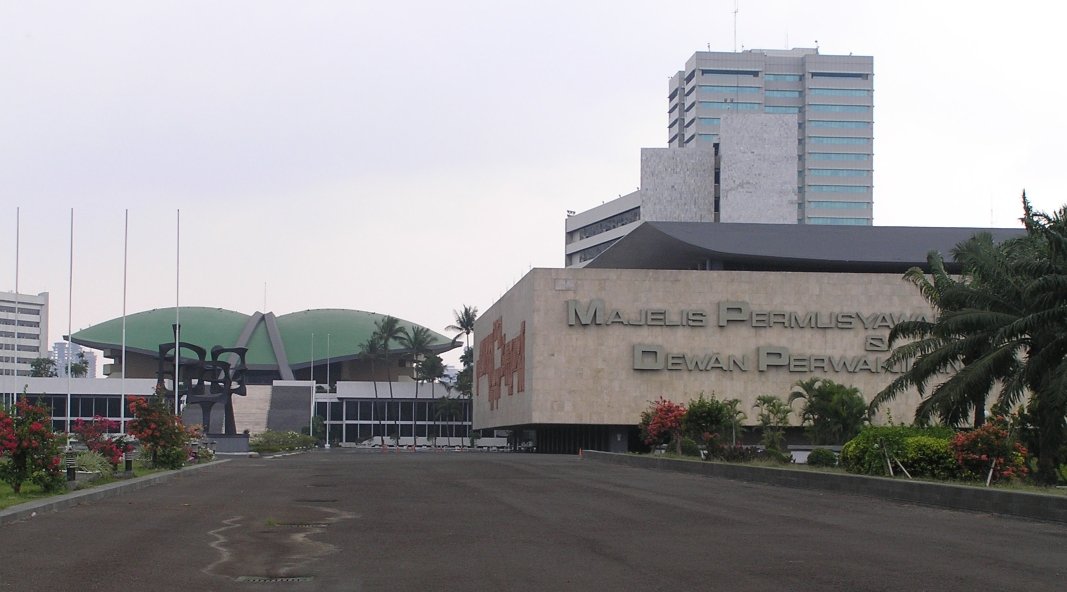
<p>Image: the MPR/DPR/DPD parliament building in Jakarta. Credit: Davidelit via Wikimedia Commons (public domain).</p>