World · World News Bureau
Indonesian wildfire haze wreaks economic and health havoc across region
Months of forest fires blanketing Indonesia in toxic smoke have devastated livelihoods and disrupted daily activities across the archipelago. Communities dependent on agriculture, tourism and outdoor work face mounting economic losses as air quality reaches hazardous levels.
LSN World News ·
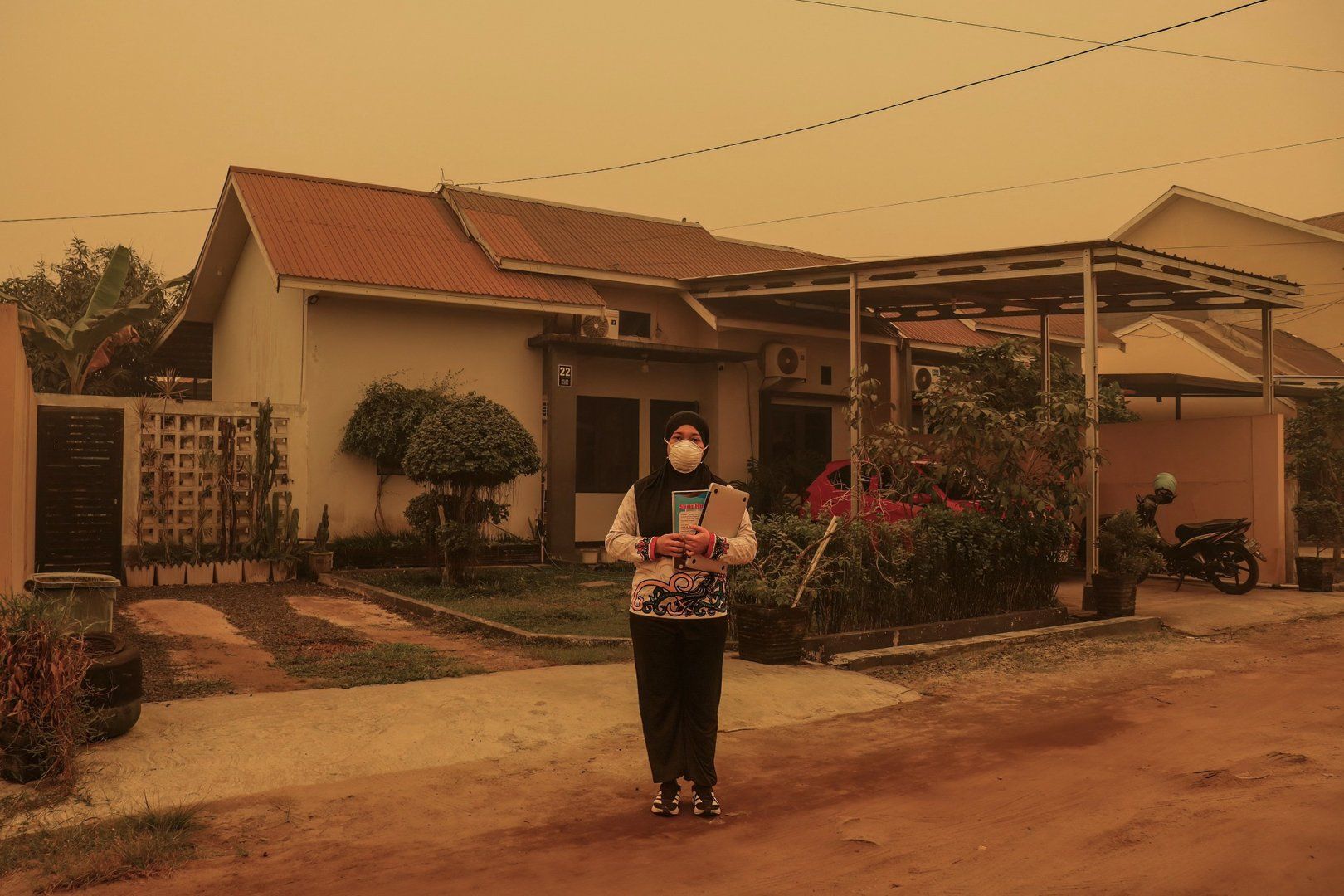
Prolonged forest fires across Indonesia have created a humanitarian crisis affecting millions of residents whose economic survival depends on outdoor work and natural resources. The persistent haze has severely limited visibility and air quality, forcing agricultural workers, fishermen, and street vendors to suspend operations or work in dangerous conditions. Schools and offices have shuttered periodically as authorities grapple with air pollution levels classified as hazardous to human health.
The tourism sector has contracted sharply as regional airports experience flight delays and cancellations, while hotels report mass cancellations from international and domestic visitors. Tour guides and hospitality workers face income losses that could persist for months if fire activity continues. Meanwhile, farmers report reduced crop yields due to limited sunlight penetration through the thick smoke layer, threatening food security in agricultural communities.
Public health systems across affected regions are strained by respiratory illness cases and related medical complications. Workers in informal sectors—including construction laborers, motorcycle taxi drivers, and street traders—have seen their earnings plummet as economic activity slows. Regional governments have distributed masks and urged residents to limit outdoor exposure, though protective equipment remains inaccessible for many lower-income households.
The economic impact extends beyond immediate job losses, with supply chain disruptions affecting regional commerce. Small businesses dependent on daily foot traffic report significant revenue declines, while transportation costs have increased due to reduced visibility and extended travel times. Environmental experts warn that ecological damage from the fires could impact agricultural productivity for years to come, creating long-term livelihood challenges across Indonesia's vulnerable communities.