World · Sri Lanka Bureau
Indonesian wildfires blanket Malaysia and Philippines in toxic smoke
Hazardous air quality spreads across Southeast Asia as Indonesia battles extensive forest fires. Neighbouring countries brace for worsening conditions as smoke drifts across regional borders.
LSN Sri Lanka ·
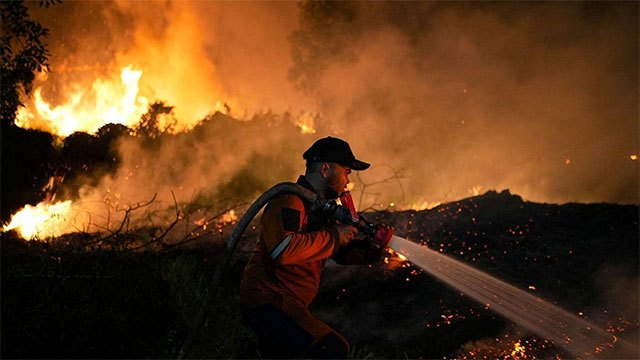
Thick plumes of smoke from Indonesia's ongoing wildfires have drifted across international borders, blanketing Malaysia and the Philippines in toxic haze and creating significant public health concerns across the region. The transboundary air pollution has prompted authorities in neighbouring countries to issue health alerts and activate contingency measures to protect vulnerable populations.
The fires, burning across Indonesian territories, have generated substantial quantities of particulate matter and hazardous pollutants that exceed safe air quality standards in affected areas. Malaysia and the Philippines have reported marked deterioration in air quality indices, with readings reaching unhealthy levels in several urban centres. Schools and outdoor activities have been disrupted as residents, particularly those with respiratory conditions, face increased health risks.
Environmental and meteorological officials have indicated that wind patterns will likely persist in dispersing smoke across the region in coming days. The transboundary nature of the crisis underscores the interconnected environmental challenges facing Southeast Asian nations, as air pollution respects no geographical boundaries. Authorities across the affected countries have coordinated responses, including public advisories and preparation of emergency medical resources.
Indonesia has deployed firefighting efforts to contain the blazes, though experts warn that seasonal conditions and land use practices continue to exacerbate the wildfire situation annually. Regional governments have called for enhanced cooperation and long-term strategies to address the root causes of such environmental emergencies.