World · Singapore Bureau
Indonesian wildlife scheme pays hunters to photograph instead of kill
A conservation initiative in Indonesia is transforming poachers into protectors by offering financial incentives for wildlife photography. The KentahiKu project demonstrates how economic motivation can shift behavior toward animal preservation.
LSN Singapore ·
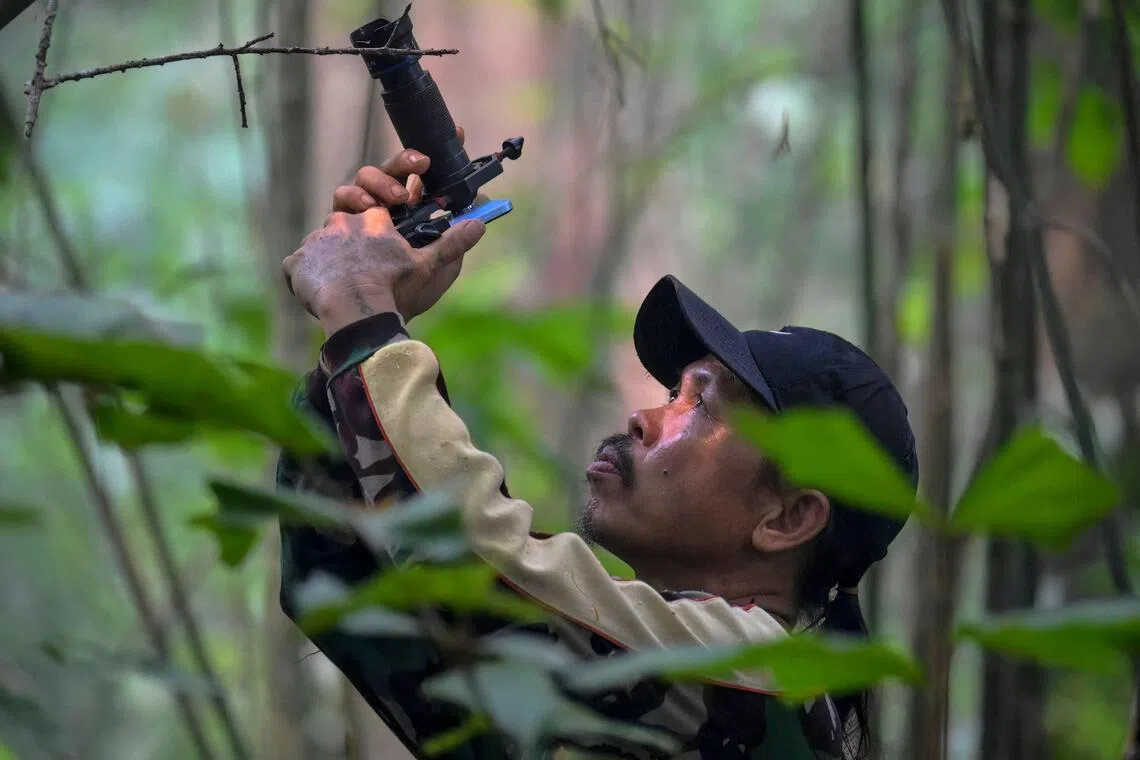
An innovative conservation programme in Indonesia is leveraging financial incentives to discourage wildlife hunting by making animals more valuable alive than dead. The KentahiKu project addresses a persistent challenge in biodiversity protection by directly engaging local communities who have traditionally relied on hunting for income.
Participants in the scheme photograph wildlife within designated areas and submit images that meet specific documentation standards. Successful submissions generate payments that provide an alternative revenue stream to hunting, creating a direct economic incentive for preservation rather than exploitation.
The model recognizes that effective conservation requires sustainable livelihoods for communities living near critical wildlife habitats. By establishing photography-based income opportunities, the initiative tackles poaching at its economic root, transforming individuals with intimate knowledge of local ecosystems into active conservation participants.
The programme's approach reflects broader shifts in environmental management across Southeast Asia, where community-based solutions increasingly complement traditional enforcement efforts. By aligning economic interests with conservation objectives, KentahiKu demonstrates how market mechanisms can redirect human behavior toward wildlife protection without requiring punitive measures alone.
The initiative's success depends on maintaining payment levels competitive with hunting income while scaling operations across additional regions. Early results suggest the model offers a replicable pathway for addressing wildlife decline in areas where alternative livelihoods remain limited.