World · Singapore Bureau
Indonesians embrace hazardous air quality as normalcy sets in
Despite record-breaking haze levels across Indonesia, many residents have adapted to poor air conditions without adopting protective measures. The phenomenon reflects a troubling shift in public perception of health risks.
LSN Singapore ·
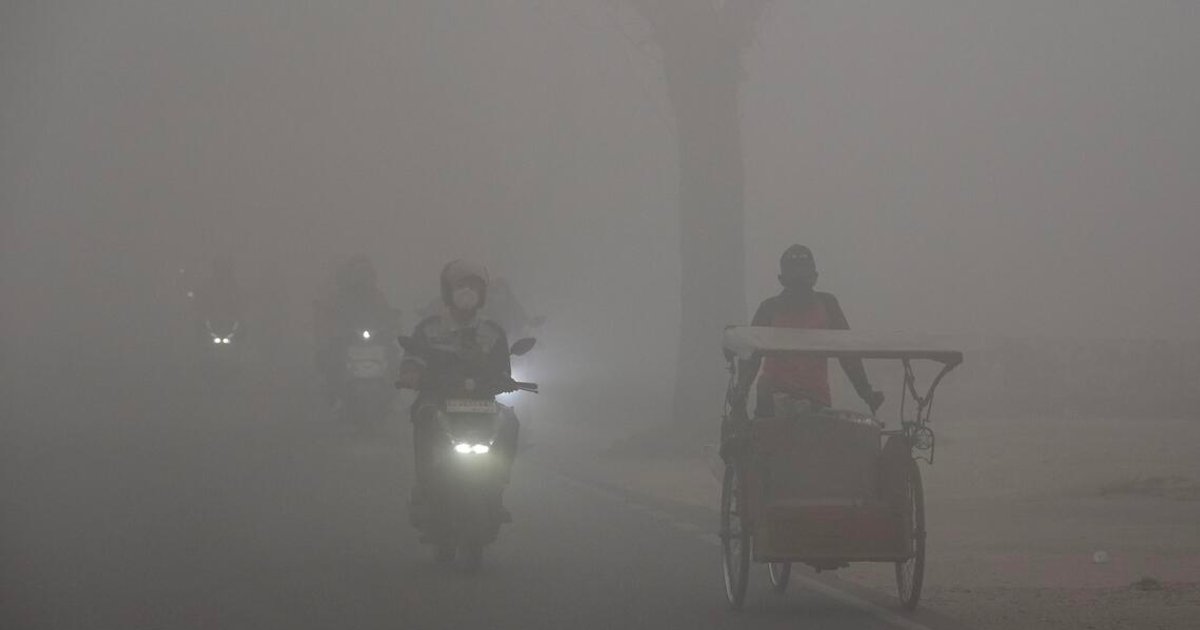
Indonesia is experiencing unprecedented haze levels, yet a significant portion of the population continues daily activities without masks or other respiratory protection. The persistence of hazardous air quality has led to a gradual desensitization among residents, who increasingly view dangerous conditions as an accepted part of life rather than a temporary crisis.
Public health experts have expressed concern over the normalization of exposure to poor air quality. The shift in behaviour suggests that repeated exposure to haze has eroded the sense of urgency that typically accompanies environmental hazards. Communities across the archipelago that once mobilized protective responses now display resignation to conditions that pose documented risks to respiratory and cardiovascular health.
The adaptation reflects broader challenges in sustaining public health messaging during prolonged environmental events. While some Indonesians continue to take precautions, the trend toward complacency raises questions about long-term health outcomes for populations regularly exposed to hazardous particulate matter. Regional authorities remain focused on addressing the underlying causes of the haze while grappling with the difficulty of maintaining public vigilance in the face of recurring environmental crises.
Neighbouring countries including Singapore have periodically experienced transboundary haze, underscoring the regional dimensions of Indonesia's air quality challenges. The normalization of hazardous conditions in Indonesia serves as a cautionary indicator for other Southeast Asian nations regarding the public health implications of sustained environmental degradation.