World · Singapore Bureau
Indoor air quality may not be safer during haze, experts warn
Testing reveals some indoor spaces have worse air quality than outdoors during prolonged haze episodes, while expired masks retain partial filtering capacity. Health experts caution that these findings require careful interpretation to guide protective measures.
LSN Singapore ·
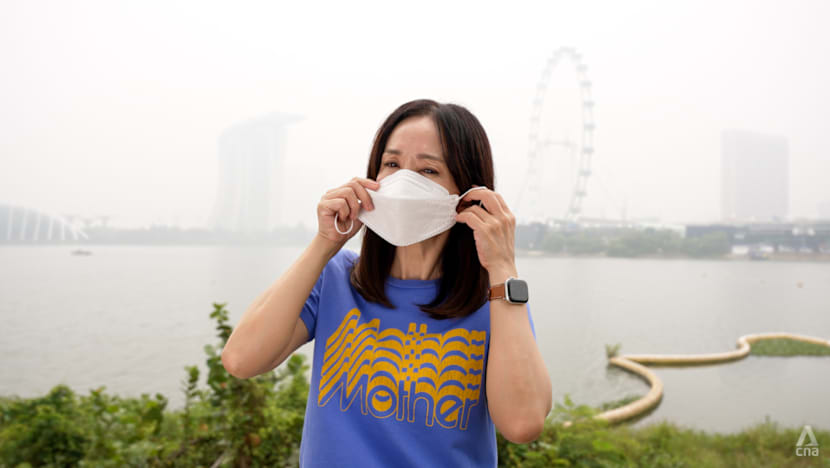
Recent air quality assessments conducted during Southeast Asia's haze season have challenged the assumption that indoor environments automatically provide refuge from poor air quality. In some cases, indoor spaces recorded higher particulate matter concentrations than outdoor readings, suggesting that standard ventilation systems and construction practices may inadequately filter incoming pollutants.
Simultaneously, laboratory testing of expired respiratory masks found that some retained significant particle-filtering capability beyond their recommended expiration dates. However, experts emphasize that continued effectiveness cannot be guaranteed across all mask types and storage conditions, and degradation of elastic straps and seal integrity remains a concern over time.
Health and environmental specialists stress that both findings require nuanced interpretation. Indoor air quality depends heavily on ventilation design, air purifier deployment, and occupant practices such as door and window management. The persistence of pollutants indoors underscores the importance of active air filtration rather than passive isolation.
Regarding mask usage, while some expired masks may still filter particles reasonably well, relying on expired protective equipment carries inherent risks. Authorities recommend using masks within their specified shelf life and prioritizing proper fit and consistent wear during high-pollution episodes.