World · Singapore Bureau
Indoor spaces need integrated approach to protect against haze exposure
Simply staying indoors during haze episodes may provide insufficient protection against air pollution, experts warn. A comprehensive strategy combining air filtration, cooling and ventilation systems is essential for effective indoor air quality management.
LSN Singapore ·
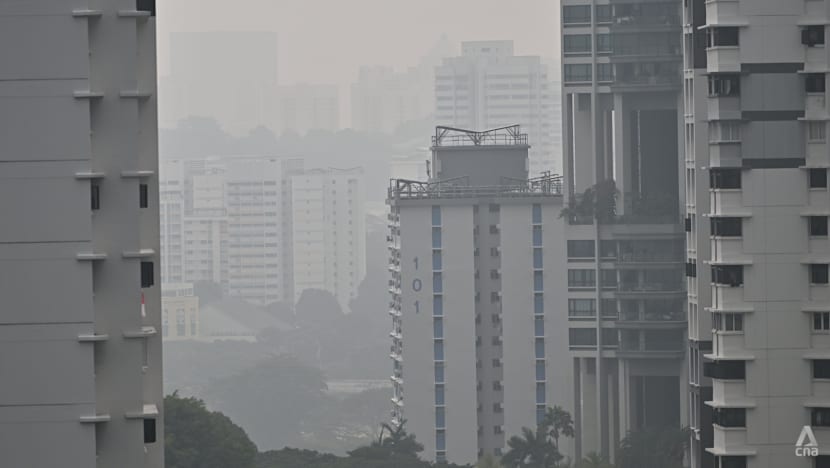
When haze blankets the region, many residents retreat indoors with the assumption they are adequately protected from hazardous air quality. However, this approach alone may not provide the safeguard people believe they have, according to indoor environmental quality specialists.
The effectiveness of indoor spaces in filtering out pollutants depends significantly on how building systems work together. Air filtration alone cannot guarantee protection if cooling and ventilation systems are not properly calibrated and maintained alongside filtration measures.
Building operators and residents must consider how these three critical systems interact. Poor ventilation can trap pollutants indoors, while inadequate cooling may lead occupants to open windows and compromise air quality gains. Conversely, excessive ventilation without proper filtration brings contaminated outdoor air directly inside.
For homes and offices to serve as effective sanctuaries during haze episodes, an integrated approach is necessary. This includes upgrading filtration standards, ensuring ventilation systems are appropriately configured for indoor pollution control, and maintaining consistent cooling to reduce the need for natural ventilation during poor air quality periods.
As haze events become more frequent across the region, building management practices that harmonise filtration, ventilation and cooling systems will be increasingly important for protecting occupant health and wellbeing.