World · India Bureau
Industrial dust clouds darken daily life in Visakhapatnam neighborhoods
Residents across multiple areas of Visakhapatnam face persistent air quality challenges from coal and iron ore dust, with pollution shifting from occasional nuisance to constant health concern. The port city's industrial emissions and vehicular traffic are creating hazardous conditions in residential zones.
LSN India ·
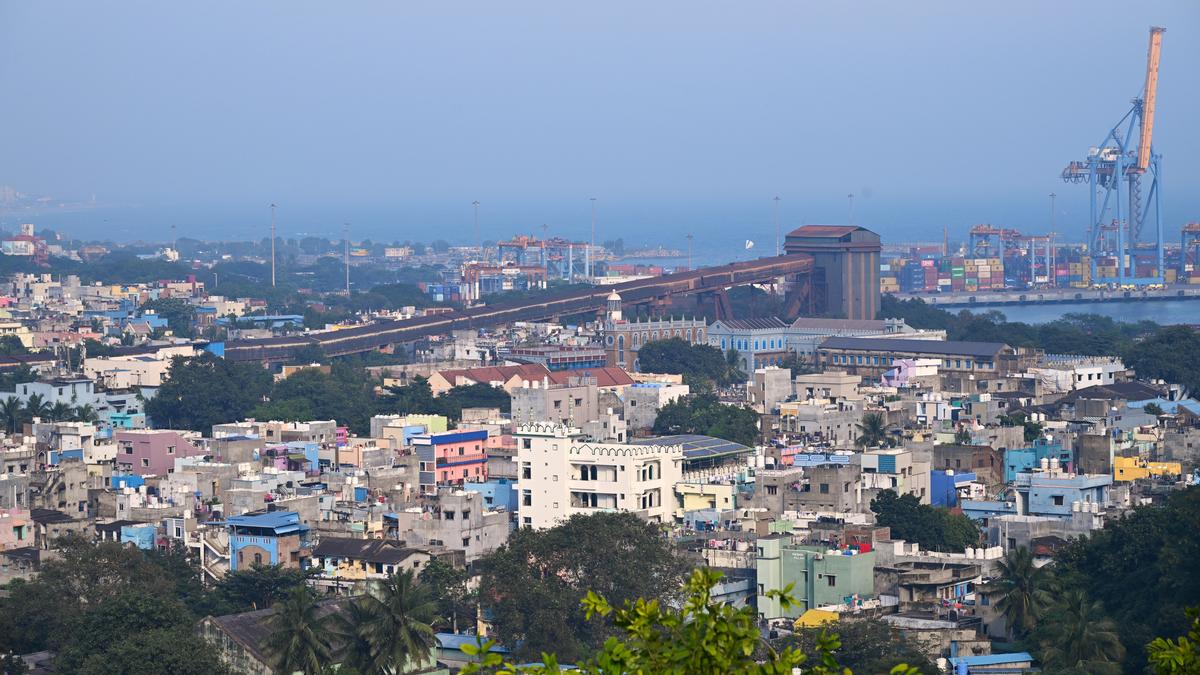
Visakhapatnam residents living near industrial zones report that black dust has become an inescapable feature of daily life, settling persistently on homes, vehicles, and streets across affected neighborhoods. The One Town area, along with parts of the Old City adjacent to the port and sections of Gajuwaka, has emerged as a pollution hotspot where residents describe air quality as a mounting source of health anxiety.
The dust accumulation stems from multiple sources, including coal and iron ore handling at the port, industrial emissions from nearby facilities, and heavy vehicular traffic in congested urban areas. Residents report that the fine particles penetrate homes despite closed windows and doors, requiring frequent cleaning that has become a routine burden for families in affected localities.
Health concerns are driving growing frustration among residents, who describe respiratory problems and other ailments they attribute to prolonged exposure to the contaminated air. Community members have expressed alarm over the cumulative effects of daily exposure, particularly affecting children and elderly residents in densely populated residential areas.
The situation underscores broader air quality challenges facing India's major port cities, where industrial activity and urban congestion create persistent pollution pressures. Visakhapatnam's experience reflects tensions between industrial development and residential welfare that require coordinated monitoring and intervention to protect public health.