Technology · World News Bureau
Industrial robots transform China's manufacturing landscape at rapid pace
China's factories have deployed more than two million robots as automation accelerates across the industrial sector, reshaping the nation's manufacturing capabilities. The expansion represents a significant shift in production methods that extends far beyond high-profile humanoid robotics projects.
LSN World News ·
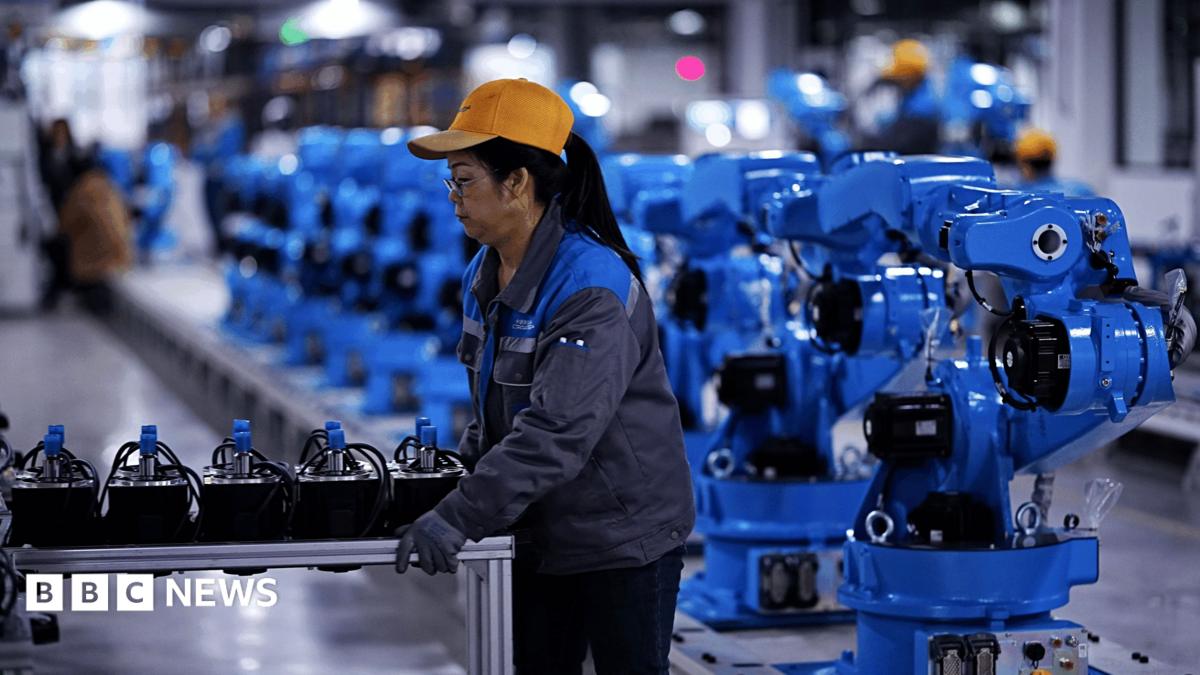
China's manufacturing sector is undergoing a fundamental transformation driven by widespread robot deployment rather than headline-grabbing technological announcements. The country's factories now operate more than two million industrial robots, a figure that continues to climb as companies across sectors prioritize automation to enhance productivity and reduce operational costs.
This expansion reflects broader trends in global manufacturing as businesses seek to maintain competitiveness amid labor market pressures and rising wages. Unlike the attention-grabbing humanoid robots showcased in corporate announcements, most of these machines perform specialized repetitive tasks on assembly lines, in warehouses, and across logistics operations. The deployment spans automotive, electronics, chemical, and consumer goods industries.
Industry analysts attribute the acceleration to improved robot affordability, advancing artificial intelligence integration, and government policies encouraging automation adoption. Chinese manufacturers increasingly view robotics as essential to maintaining productivity levels and meeting international demand, particularly as supply chain dynamics continue to evolve.
The scale of this automation wave underscores China's strategic focus on upgrading its industrial base through technology adoption. While humanoid robots capture public imagination, the real revolution in manufacturing efficiency is occurring through thousands of specialized industrial systems operating in factories nationwide, fundamentally reshaping how goods are produced and distributed across the region.