World · India Bureau
Innovative horizontal levee in California tests nature-based coastal defence
Engineers in Palo Alto have developed a novel coastal protection structure that integrates treated wastewater and native vegetation to defend against rising sea levels. The pilot project along Harbor Marsh offers a potential blueprint for sustainable shoreline management in vulnerable coastal regions.
LSN India ·
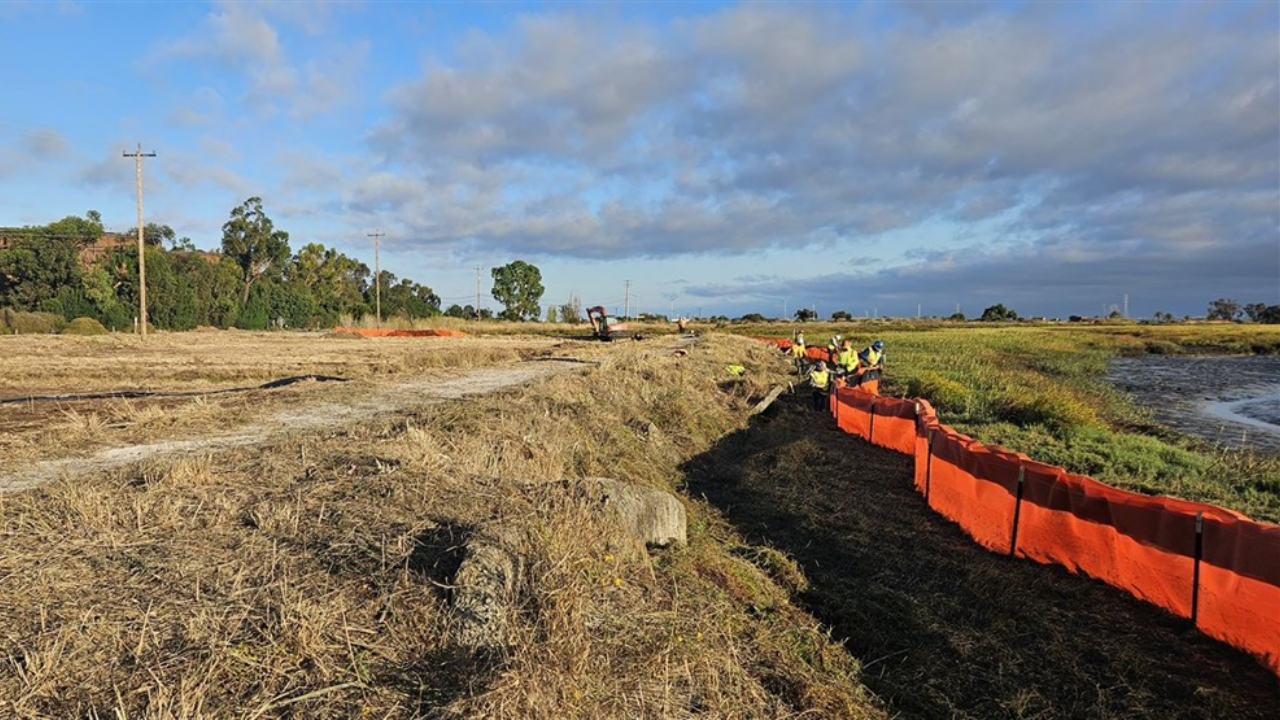
Coastal communities worldwide are exploring innovative solutions to tackle rising sea levels, and a 500-foot horizontal levee in Palo Alto represents a significant step forward in nature-based defence strategies. The structure differs fundamentally from conventional concrete barriers, instead incorporating native plants and treated wastewater to create a living shoreline that serves multiple environmental purposes.
The project combines coastal protection with ecosystem restoration, allowing treated wastewater to nourish salt marsh vegetation while simultaneously providing a buffer against storm surge and sea-level rise. This integrated approach addresses water management and habitat creation simultaneously, demonstrating how infrastructure projects can deliver environmental benefits beyond their primary defensive function.
Engineers are closely monitoring the levee's performance to assess its effectiveness as a pilot installation. Early findings suggest that the living shoreline model successfully balances flood protection with ecological restoration, creating conditions favourable for native marsh species while strengthening coastal resilience.
As communities across South and Southeast Asia face mounting pressure from climate-driven coastal hazards, the Palo Alto project provides valuable insights into alternative coastal management approaches. Researchers emphasize that such nature-based solutions may offer more sustainable and adaptable options than traditional hard infrastructure, particularly for regions seeking to build long-term resilience while maintaining ecosystem health.