World · India Bureau
Interdisciplinary learning emerges as key to future innovation and discovery
Educational experts increasingly advocate for cross-subject learning approaches, citing historical precedent from scientific pioneers to modern Nobel laureates. The shift reflects growing recognition that breakthrough discoveries often emerge at the intersection of multiple disciplines.
LSN India ·
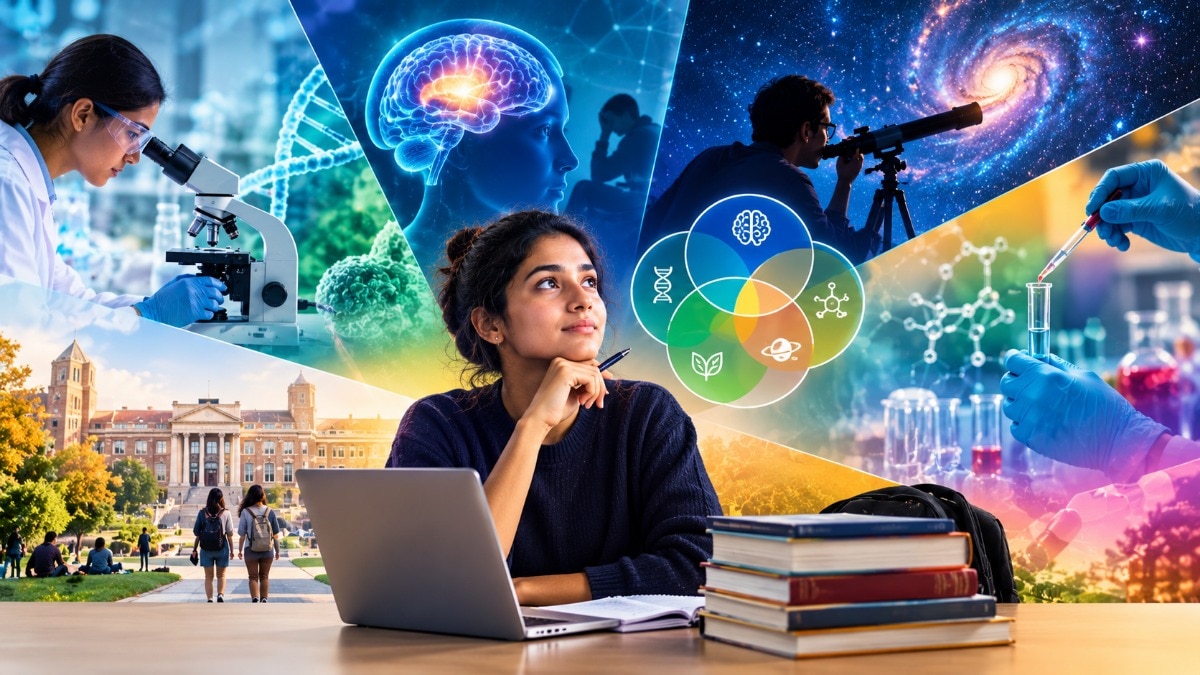
The trajectory of scientific innovation suggests that tomorrow's breakthroughs will come not from specialists confined to single fields, but from thinkers comfortable traversing multiple domains of knowledge. Historical figures from Isaac Newton onwards have demonstrated that profound discoveries often emerge when practitioners combine insights from different disciplines, challenging the traditional siloed approach to education and research.
Contemporary evidence reinforces this pattern. Recipients of the Nobel Prize and other prestigious scientific awards frequently credit their success to drawing connections across disparate fields—whether combining physics with biology, chemistry with mathematics, or literature with social science. This convergence of perspectives has proven instrumental in addressing complex global challenges, from climate change to disease prevention.
Educational institutions across South and Southeast Asia are beginning to restructure curricula to reflect this reality. Rather than maintaining rigid subject boundaries, forward-thinking schools and universities are designing programmes that encourage students to explore relationships between disciplines, develop adaptability, and cultivate creative problem-solving skills applicable across domains.
Proponents argue that interdisciplinary learning better equips students for careers in an increasingly complex world, where innovation demands fresh approaches and novel combinations of existing knowledge. The approach also fosters intellectual curiosity and critical thinking—capabilities that transcend any single field of study and remain valuable regardless of technological change.