World · India Bureau
Introduced to solve pest crisis, mynas became ecological threat themselves
A century-old biological control experiment in the Cook Islands offers a cautionary tale about the unintended consequences of introducing non-native species into fragile ecosystems. Common mynas brought in to combat a coconut pest problem have since proliferated dramatically, forcing authorities to implement drastic control measures.
LSN India ·
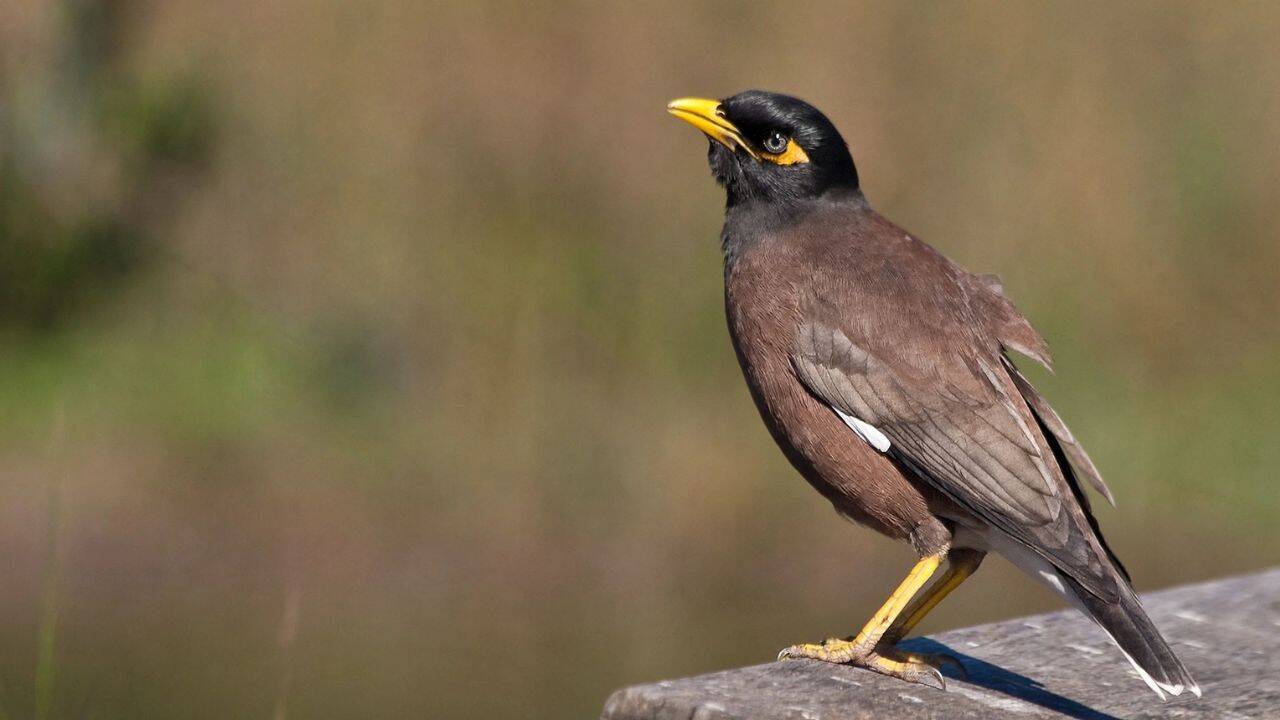
The Cook Islands' experience with common mynas demonstrates how well-intentioned wildlife management can backfire with far-reaching ecological consequences. In 1915, the birds were deliberately introduced to the South Pacific territory to control a destructive coconut pest that threatened agricultural productivity in the region.
Instead of remaining a controlled biological solution, the myna population exploded, spreading rapidly across the islands and establishing itself as an invasive species. The prolific birds began displacing native bird species from their natural habitats while simultaneously damaging crops and encroaching on agricultural land, effectively trading one pest problem for another.
The escalating myna presence became so problematic that local authorities on Atiu Island, one of the Cook Islands, established a formal bounty program aimed at culling the bird population and controlling their numbers. The intervention underscores the difficulty of managing invasive species once they become established in new environments.
Conservationists cite the case as a cautionary reminder of the ecological risks posed by introducing non-native species into sensitive island ecosystems. The situation highlights the complex balance required when attempting to solve agricultural challenges, and the importance of thoroughly assessing potential long-term consequences before implementing biological control measures in ecologically vulnerable regions.