World · India Bureau
Invasive Argentine ants shield crop pests, threatening California agriculture
Invasive Argentine ants have established a symbiotic relationship with sap-feeding insects that threatens citrus groves and vineyards across California. Agricultural experts warn that controlling the pest problem requires addressing both ant populations and their insect partners simultaneously.
LSN India ·
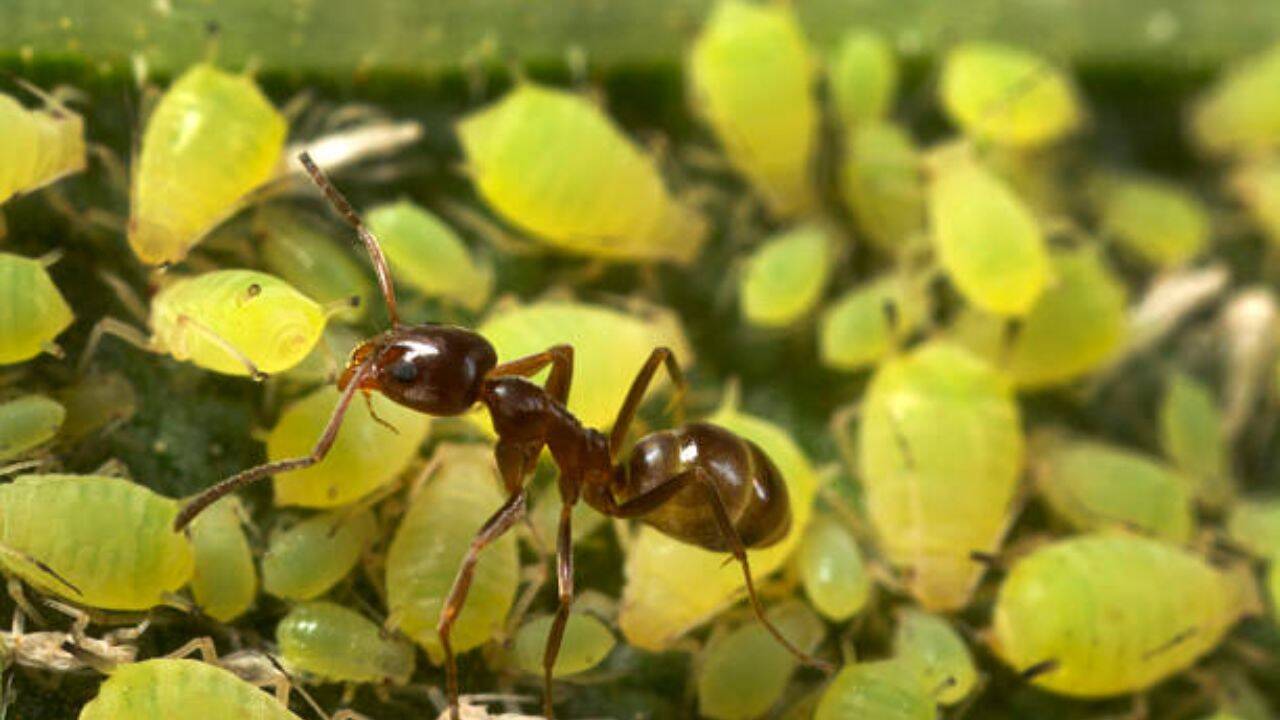
Argentine ants, first documented in the United States in 1891, have become a significant agricultural challenge across California as they form protective alliances with sap-feeding insects that damage crops. The invasive species shields these pest insects from natural predators, allowing them to proliferate unchecked in agricultural regions. This symbiotic relationship creates a compounding problem for farmers managing citrus orchards and vineyards, where both the ants and their protected pest partners cause economic damage.
The favorable climate of California has enabled the Argentine ant population to expand rapidly since its initial introduction more than a century ago. Human activity, including agricultural trade and inadvertent transport of goods, has accelerated the spread of colonies across the region. Unlike native ant species that compete with Argentine ants for resources, local wildlife faces increasing pressure as the invasive species dominates ecosystems and disrupts natural food chains.
Agricultural scientists emphasize that effective pest management must address the interconnected nature of the ant-insect relationship rather than targeting individual species in isolation. Farmers are exploring integrated approaches that consider both populations when developing control strategies. Managing the Argentine ant invasion alongside its protected pest partners represents an evolving challenge for California's agricultural sector, requiring coordinated efforts across multiple farming communities.