World · India Bureau
Invasive carp removal transforms Minnesota lake into ecological success story
The removal of common carp from Pickerel Lake in Minnesota has led to a dramatic recovery of the water body, with clarity improving nearly sixfold. The restoration effort demonstrates the critical importance of controlling invasive species in revitalizing freshwater ecosystems.
LSN India ·
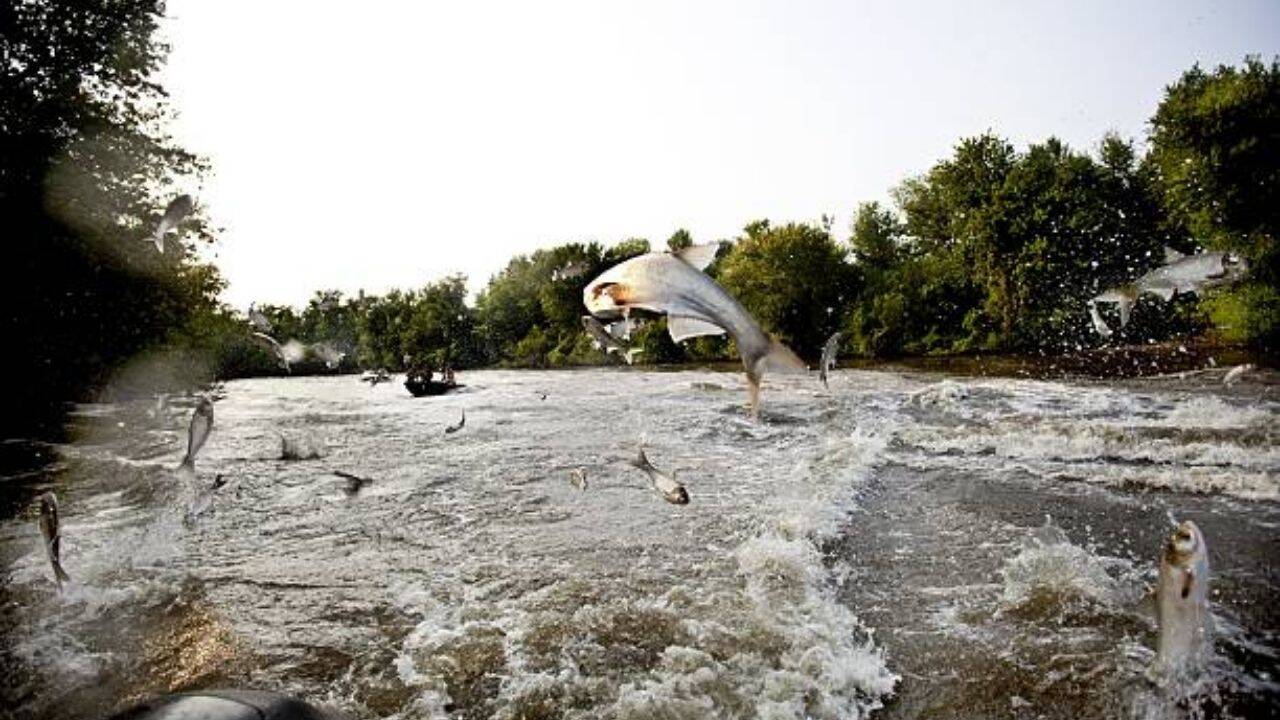
Pickerel Lake in Minnesota has emerged as a compelling case study in ecological restoration following the successful removal of invasive common carp that had degraded water quality for decades. The shallow lake had struggled with persistent algal blooms and murky waters as the non-native carp species proliferated unchecked, disrupting the delicate balance of the aquatic environment.
In 2009, environmental managers undertook a comprehensive effort to eliminate the invasive carp population from the lake. The intervention proved transformative. Water clarity in Pickerel Lake increased by nearly 600 percent in the years following the removal operation, marking a striking reversal of the lake's ecological decline.
Beyond improved visibility, the restoration has catalysed a broader ecological revival. Native aquatic plants, which had been suppressed by the carp's feeding and habitat-disrupting behaviour, have begun to flourish once again. The resurgence of these plants has further stabilised water conditions and created suitable habitats for other native species.
The Pickerel Lake restoration underscores a critical lesson for freshwater management across North America and beyond: controlling invasive species can be a powerful tool for ecosystem recovery. As invasive species continue to threaten freshwater bodies globally, successful interventions like this demonstrate that dedicated management efforts can reverse even severe ecological degradation and restore lakes to health.