Culture & Entertainment · India Bureau
Invasive Fish Removal Transforms Colorado River Ecosystem
A four-year experiment removing non-native trout from the Colorado River has significantly reshaped the waterway's fish populations, though scientists say the full impact on native species recovery remains unclear.
LSN India ·
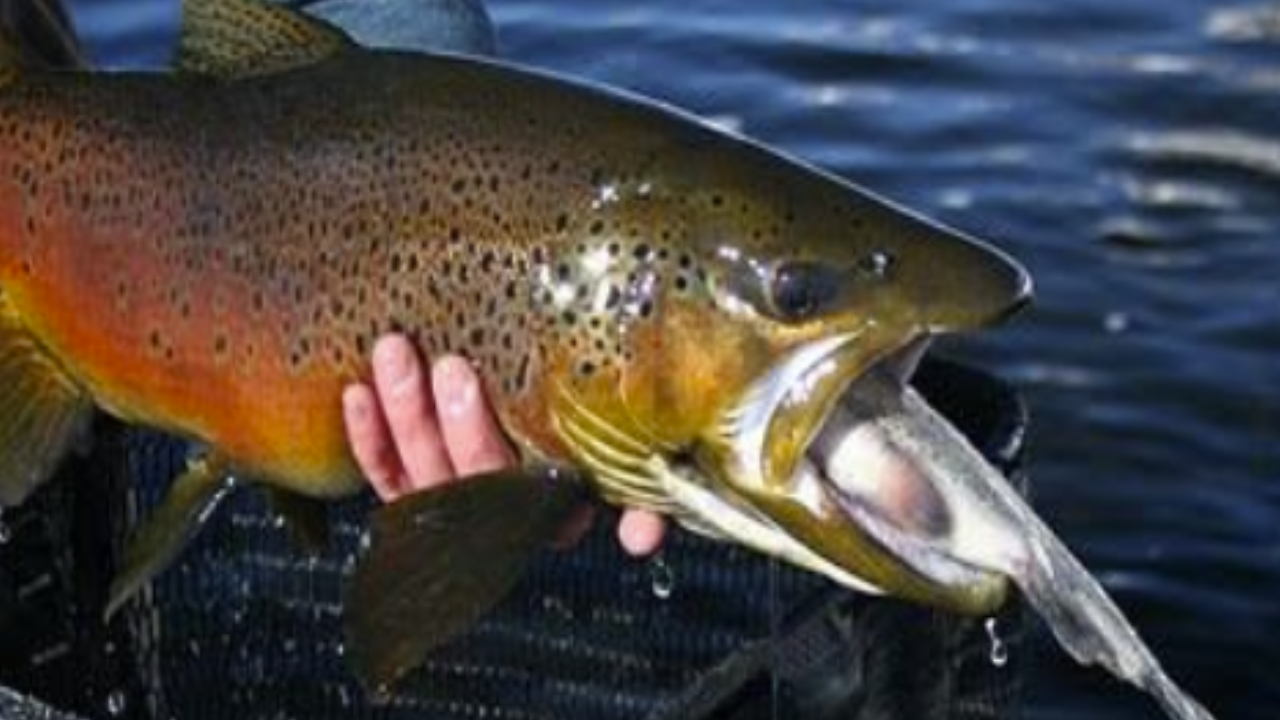
Researchers have removed substantial numbers of invasive rainbow trout from the Colorado River as part of a targeted conservation effort to restore native fish species in the region. The multi-year program achieved its primary objective of reducing trout populations, which had long competed with and preyed upon indigenous fish varieties including native chub species.
The experiment produced measurable results in fish population dynamics. Rainbow trout numbers declined dramatically during the study period, while native fish populations showed signs of recovery in certain areas. The intervention demonstrated the ability to alter the river's ecological balance through direct removal of invasive species.
However, scientists cautioned that determining the overall success of the initiative remains complex. Multiple environmental factors beyond fish removal have influenced the river ecosystem, making it difficult to isolate the program's specific effects on native species recovery. Water flow patterns, temperature fluctuations, and other habitat conditions have all played roles in shaping population outcomes.
Conservation efforts focused on protecting the Colorado River's native fish populations, particularly those found near the Grand Canyon, continue as researchers gather long-term data. The ongoing work aims to establish sustainable management practices that balance ecosystem restoration with the region's other water management priorities.