World · India Bureau
Invasive garlic mustard plant threatens North American ecosystems
An aggressive invasive plant species has established itself across dozens of states and provinces in North America, raising concerns among environmental scientists. The rapid spread of garlic mustard threatens native plant communities and forest ecosystems across the region.
LSN India ·
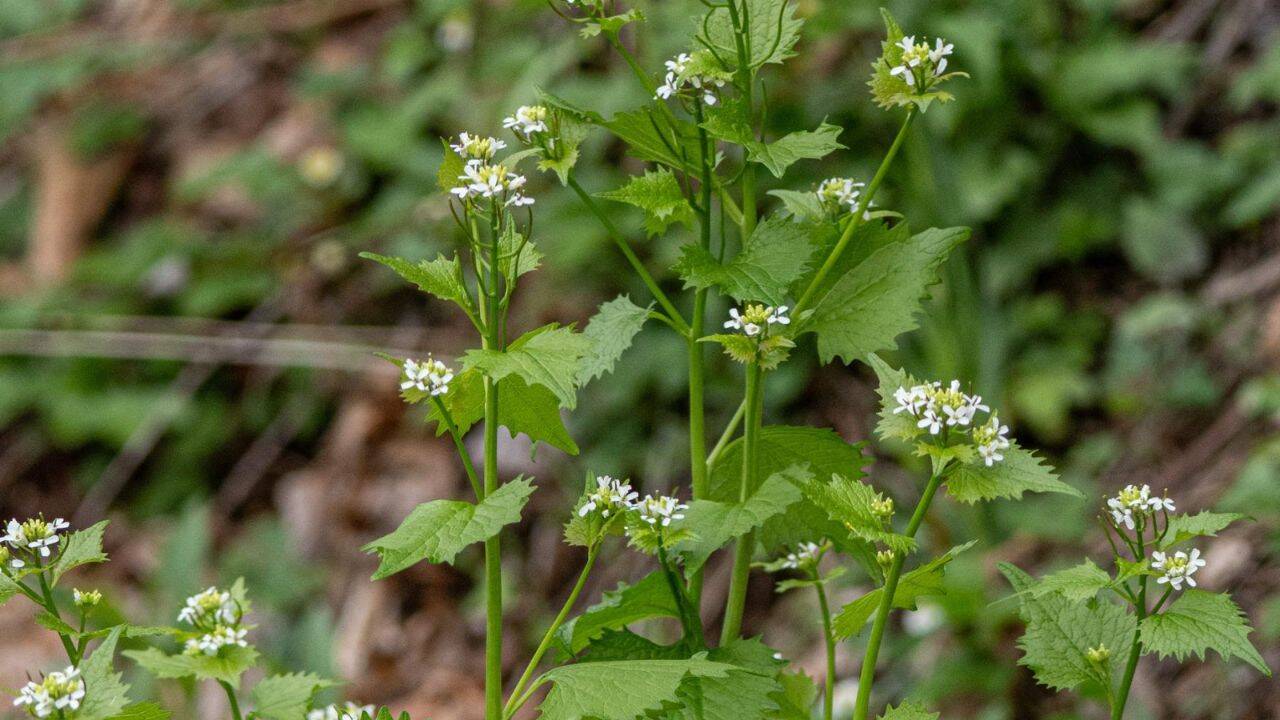
Garlic mustard, a biennial herbaceous plant native to Europe and western Asia, has become one of North America's most problematic invasive species. The plant has now colonised 37 United States and six Canadian provinces, spreading across forests, woodlands, and disturbed areas where it outcompetes native vegetation.
The species' invasive success stems from several biological advantages. Garlic mustard produces abundant seeds that spread easily through human activity and wildlife dispersal, establishing dense stands that exclude other plant species. Once established, the plant releases allelopathic compounds into the soil that inhibit the growth of native plants, fundamentally altering forest floor ecosystems.
Environmental authorities have identified garlic mustard as a significant threat to biodiversity across North America. The plant's proliferation reduces habitat quality for native wildflowers, ferns, and other forest understory species that support diverse animal communities. The invasion particularly impacts spring ephemeral plants that emerge before the forest canopy leafs out.
Management efforts remain challenging given the plant's extensive range and reproductive capacity. Removal programs require sustained effort, as the seed bank can remain viable in soil for several years. Some regions have implemented combined strategies including manual removal, herbicide application, and public awareness campaigns to contain further spread.