World · India Bureau
Invasive Nile perch wreaks havoc on Lake Victoria's ecosystem
The introduction of Nile perch to Lake Victoria decades ago has fundamentally altered the African lake's fishery while pushing native cichlid species toward extinction. The predatory fish, initially introduced to boost commercial catches, has emerged as an ecological catastrophe.
LSN India ·
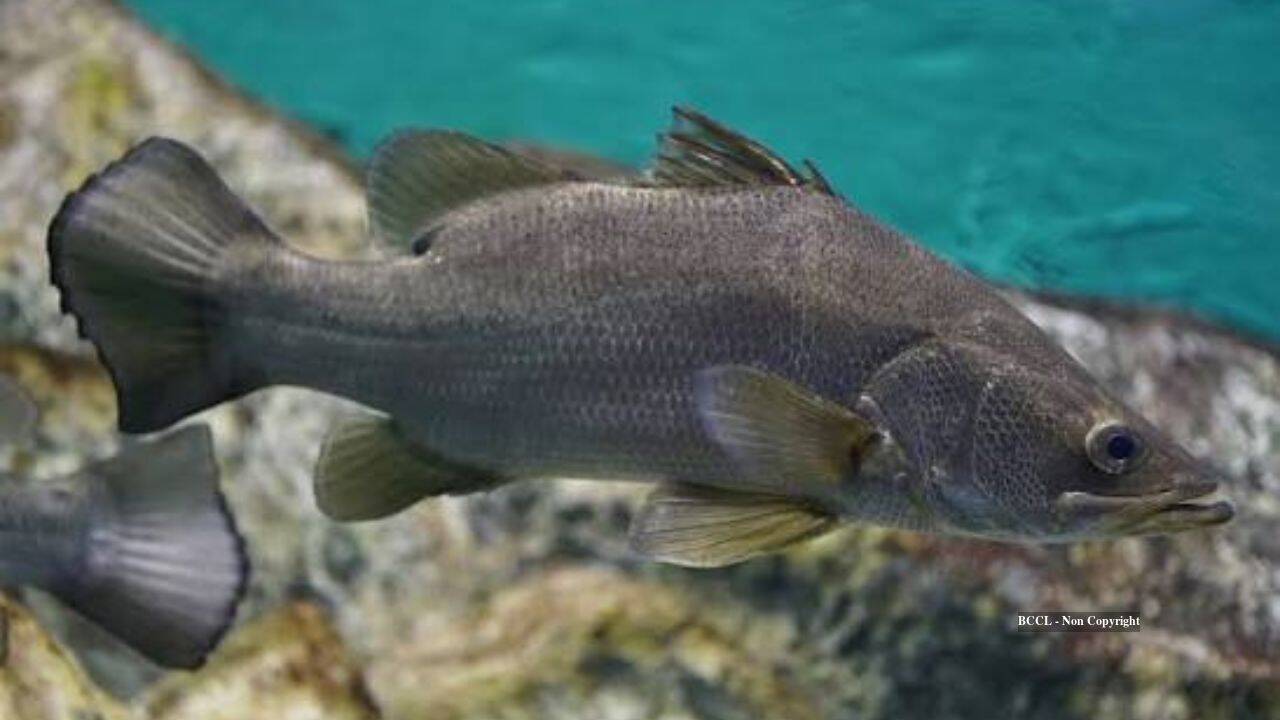
Lake Victoria, East Africa's largest freshwater body, has experienced dramatic ecological transformation following the establishment of Nile perch in its waters. The large predatory fish, introduced years ago in what was intended as a fisheries development initiative, has since come to dominate the lake's ecosystem with far-reaching consequences.
The Nile perch's arrival fundamentally restructured Lake Victoria's fishing industry. The species' rapid growth and voracious appetite made it an attractive catch for commercial fishermen, leading to substantial economic benefits in the short term. However, the ecological cost of this introduction has proven severe and largely irreversible.
Native cichlid species, which had evolved over millennia and represented hundreds of distinct varieties found nowhere else on Earth, have faced unprecedented predation pressure from the introduced species. Many endemic cichlid populations have declined sharply, with several species now considered critically endangered or functionally extinct in their natural habitat. The loss of cichlid diversity has cascading effects throughout the lake's food web and threatens the livelihoods of fishing communities dependent on traditional catches.
The Lake Victoria case stands as a cautionary example of unintended consequences in aquatic ecosystem management. Environmental scientists point to the situation as evidence of the dangers posed by introducing non-native species into established ecological systems, particularly in freshwater environments with limited ability to adapt to sudden biological changes. Recovery efforts remain challenging given the Nile perch's now-entrenched position in the lake.